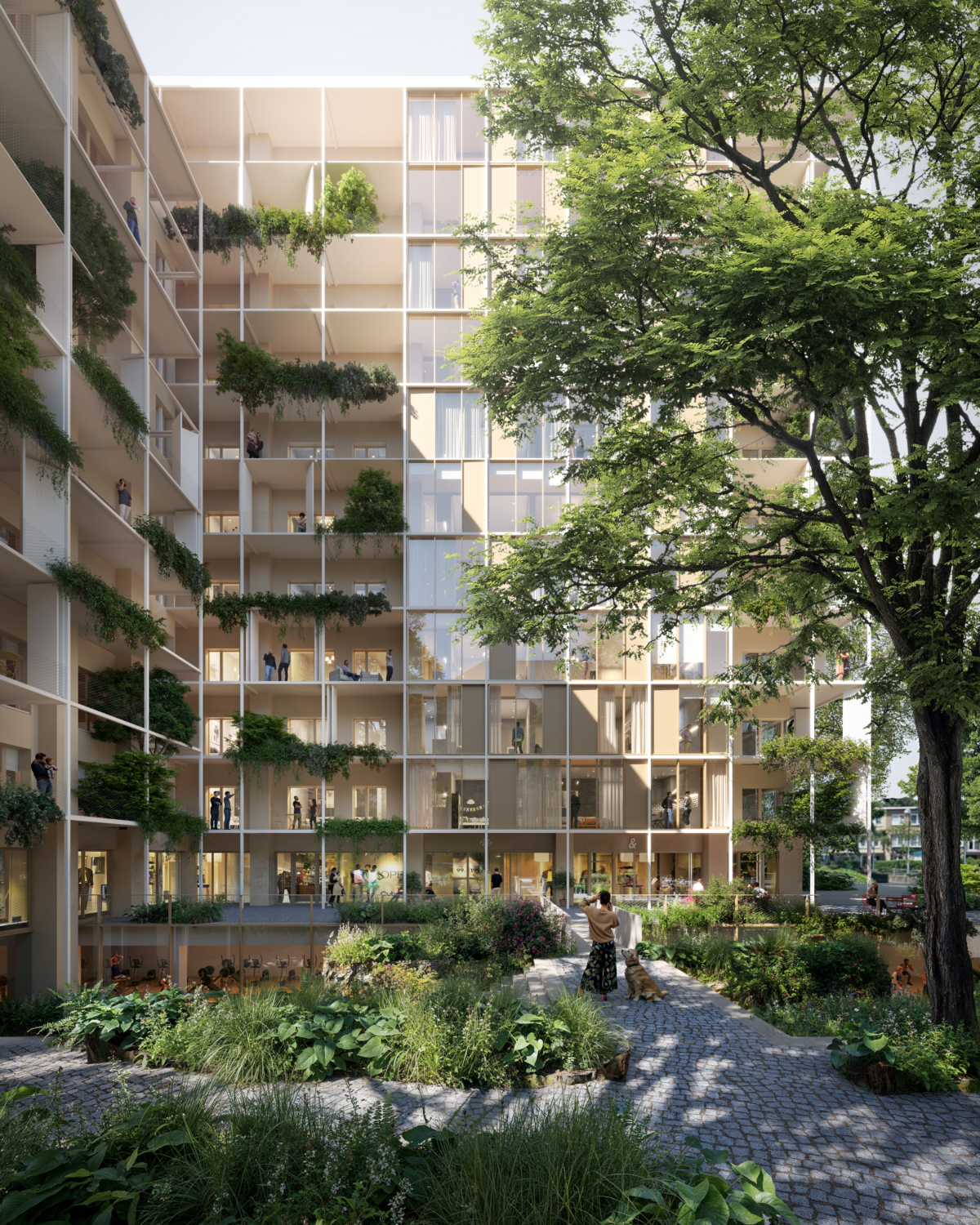
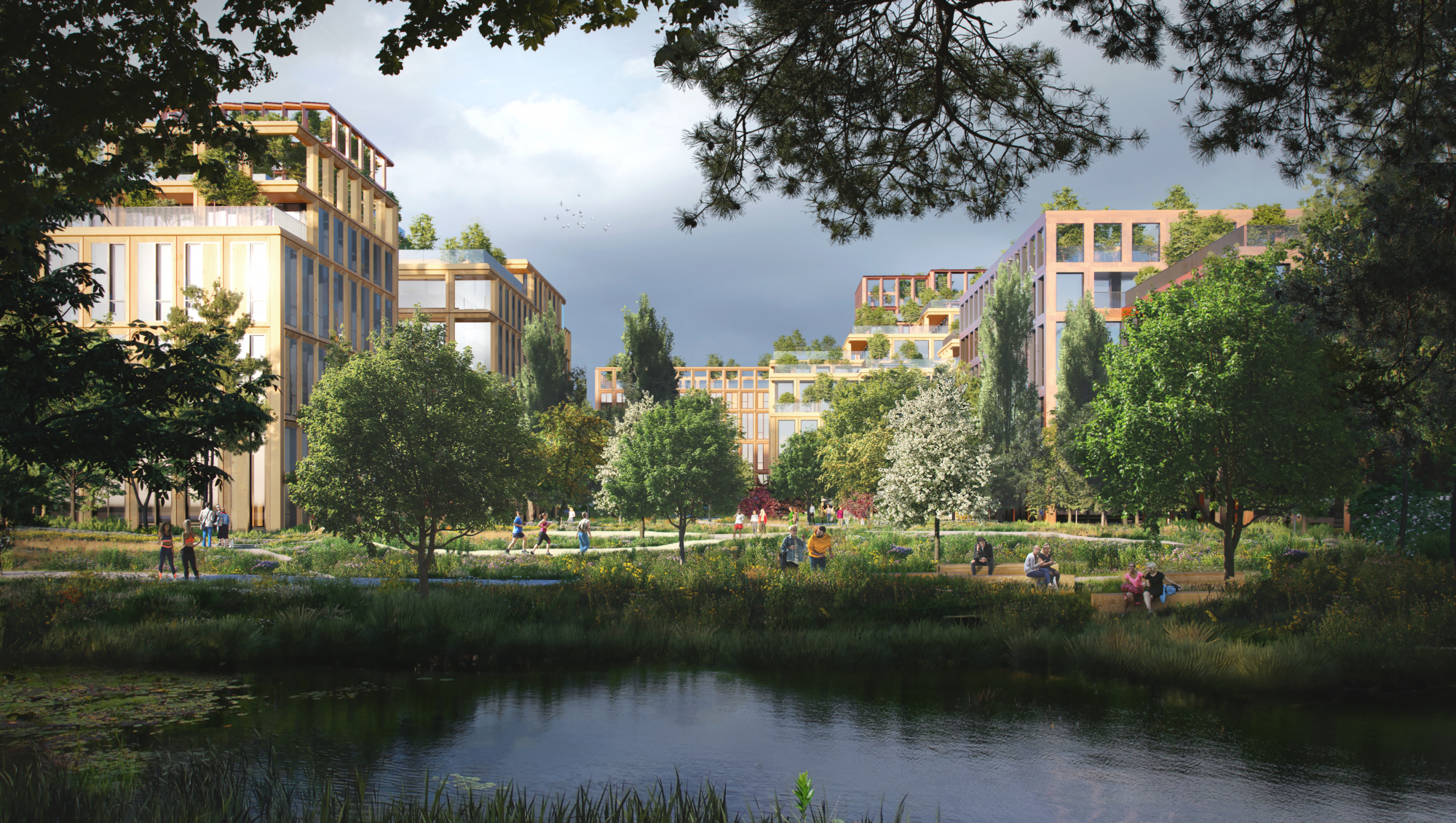
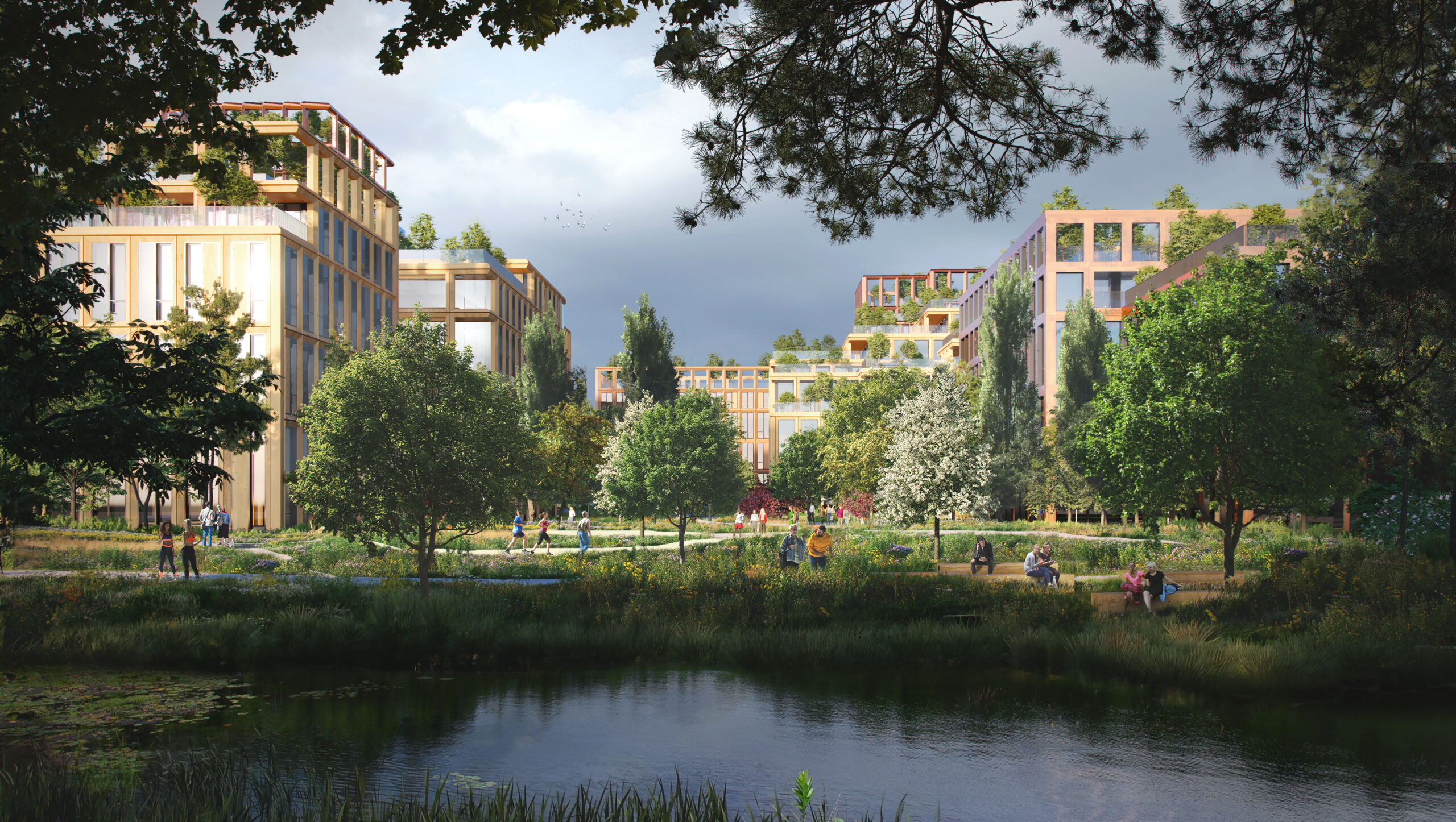
Rather than starting with new buildings, the masterplan begins with the transformation of the ground structure. The HE:AL masterplan reorganises the Dipbech landscape through visible water systems, wetlands, rain gardens and permeable surfaces. Existing asphalt is removed, processed and reused on site, while soil is relocated to form new ecological zones. These interventions progressively transform the campus into an environment that prioritises pedestrians and soft mobility while reducing the dominance of car infrastructure. New buildings are positioned along a central social spine that connects plazas, pavilions and active ground floors. Building volumes respond to the surrounding context, heliport constraints and solar exposure through parametric and data-informed design processes. The buildings are conceived using modular grids, reversible assemblies and biogenic materials, allowing flexibility in use and reducing lifecycle environmental impact.
- 2023 - ongoing
- Heal Campus srl
- Urbanism, Climate Design
The site was efficient and functional, but largely organized around access roads, surface parking and mono-functional buildings serving the hospital infrastructure. Water management was mainly underground, biodiversity was limited and public space played a secondary role within the campus layout. The Dipbech creek was present on the site but had little spatial or ecological influence on the organization of the area. Landscape elements were mostly residual and not integrated as part of a broader environmental system. While the site functioned operationally, it provided limited ecological or spatial value. In a context of increasing climate challenges and environmental constraints, healthcare campuses are expected to contribute more actively to their surroundings. The HE:AL project therefore examines how an existing medical district can evolve from a primarily infrastructural environment into a campus that supports ecological regeneration and environmental performance.
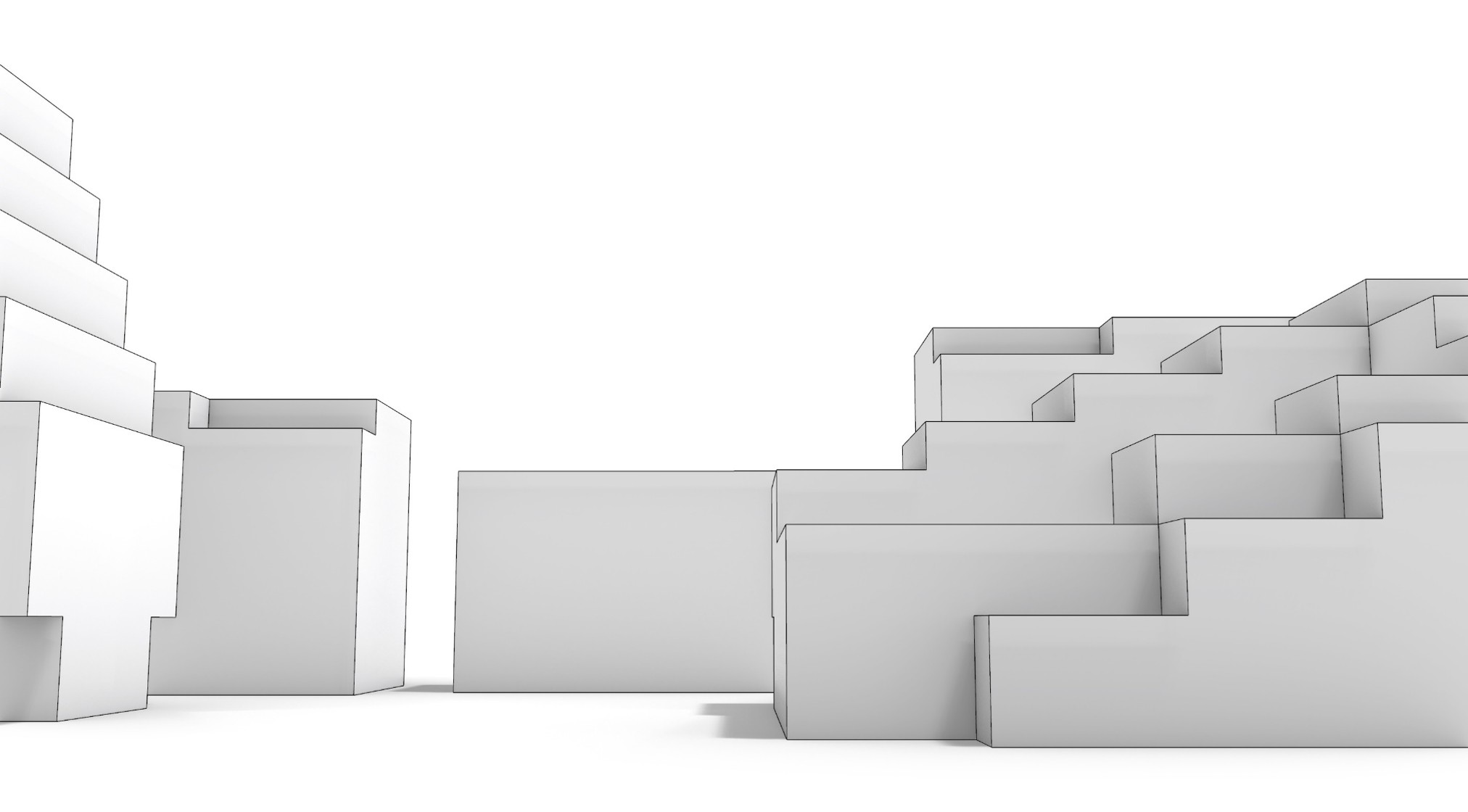
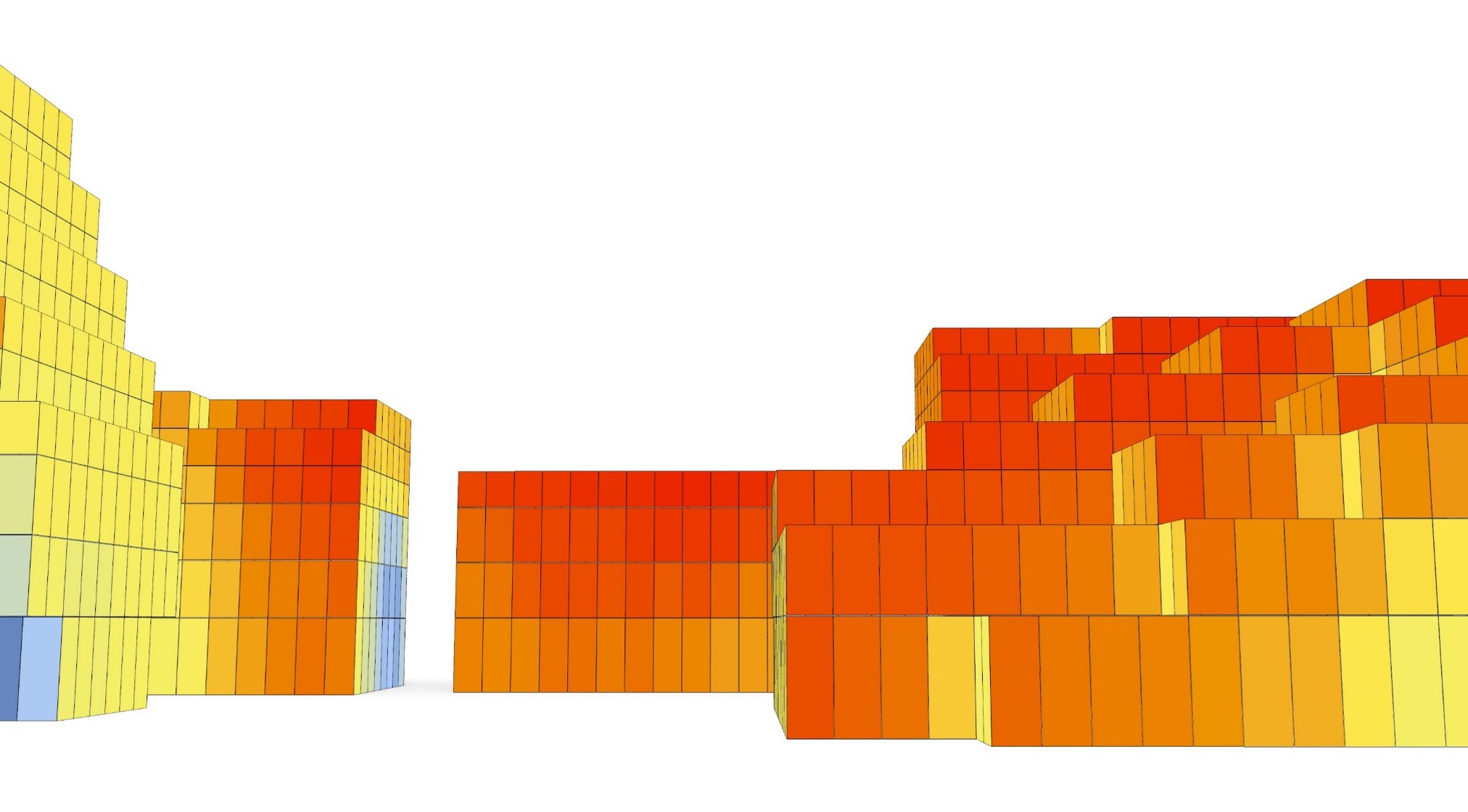
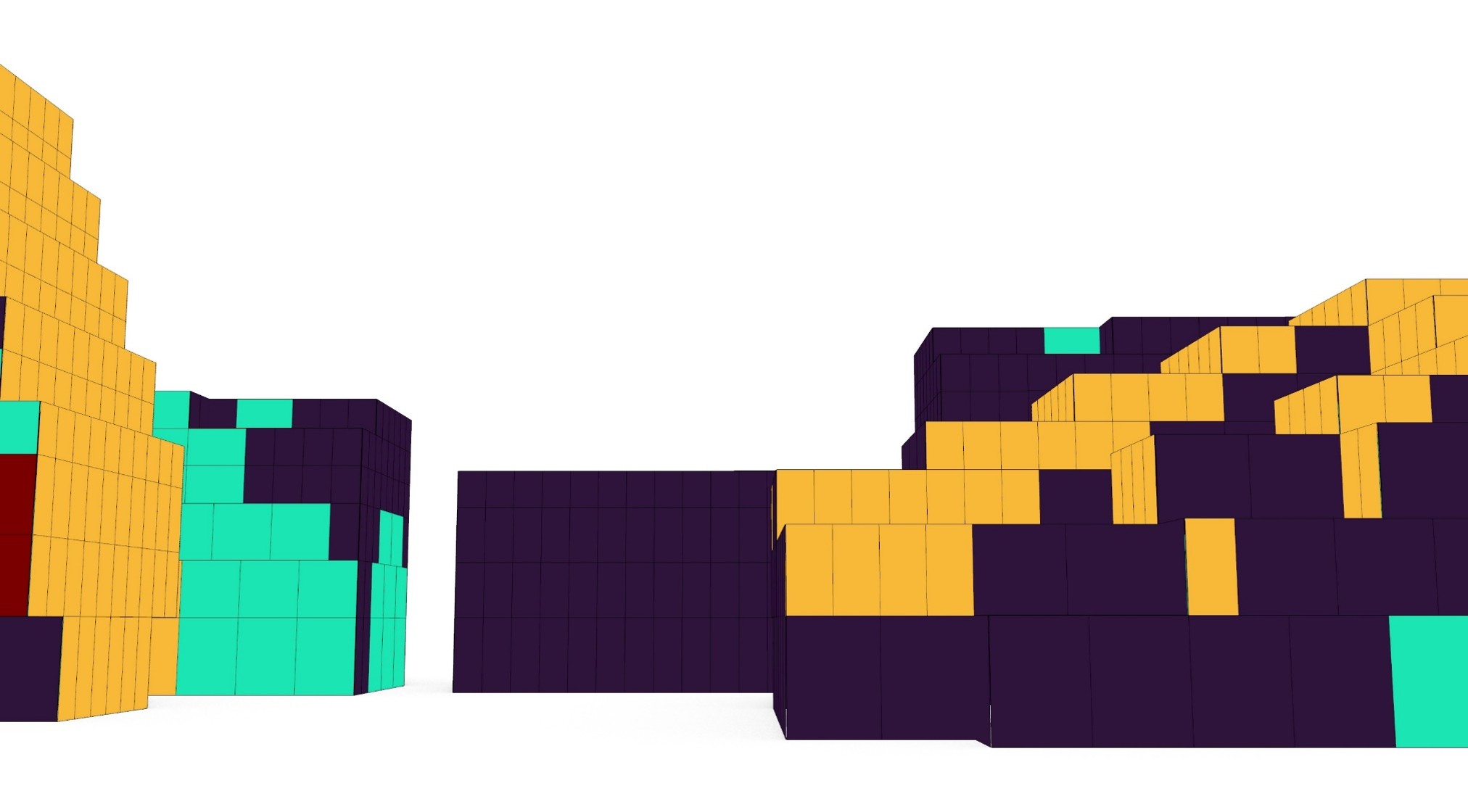
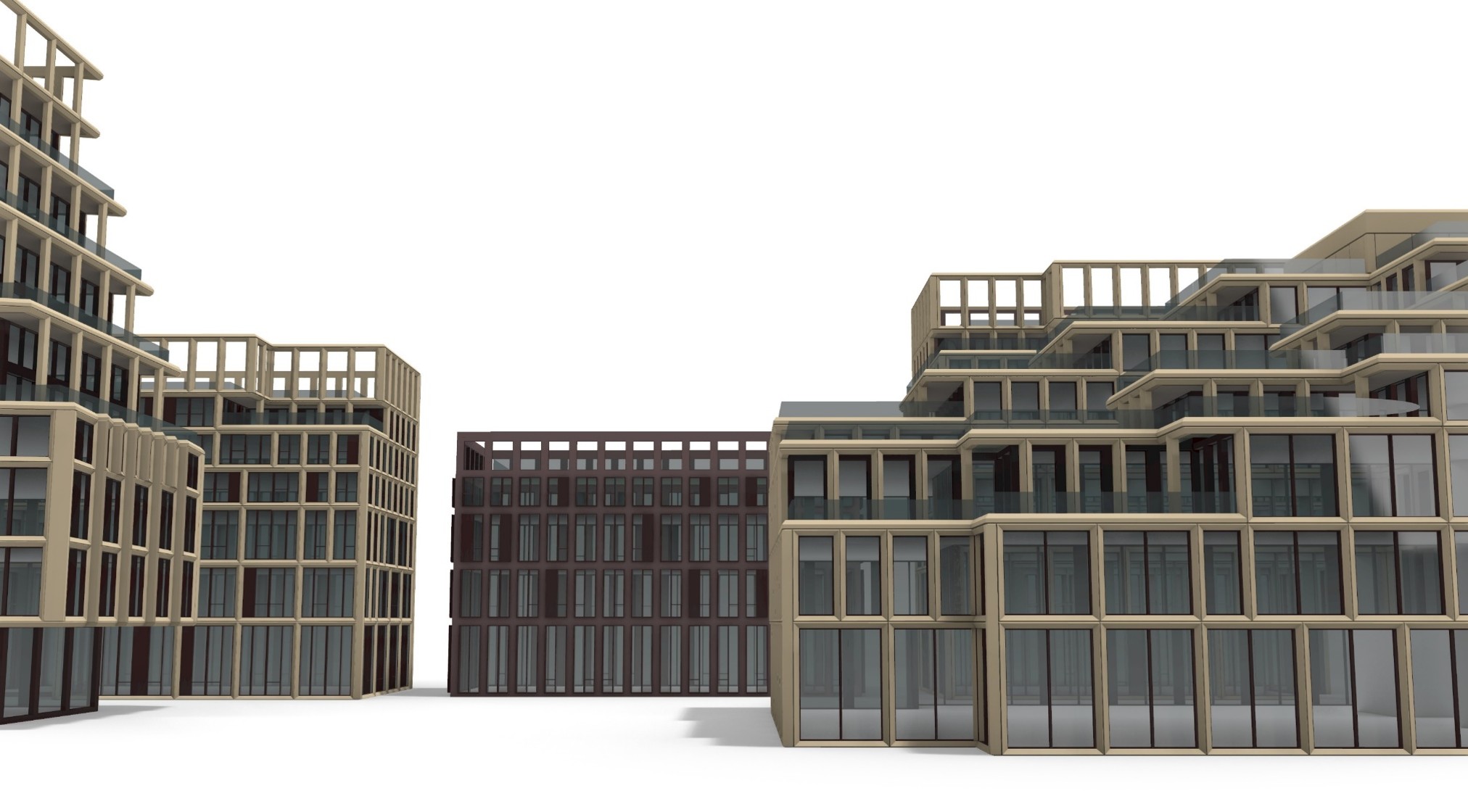
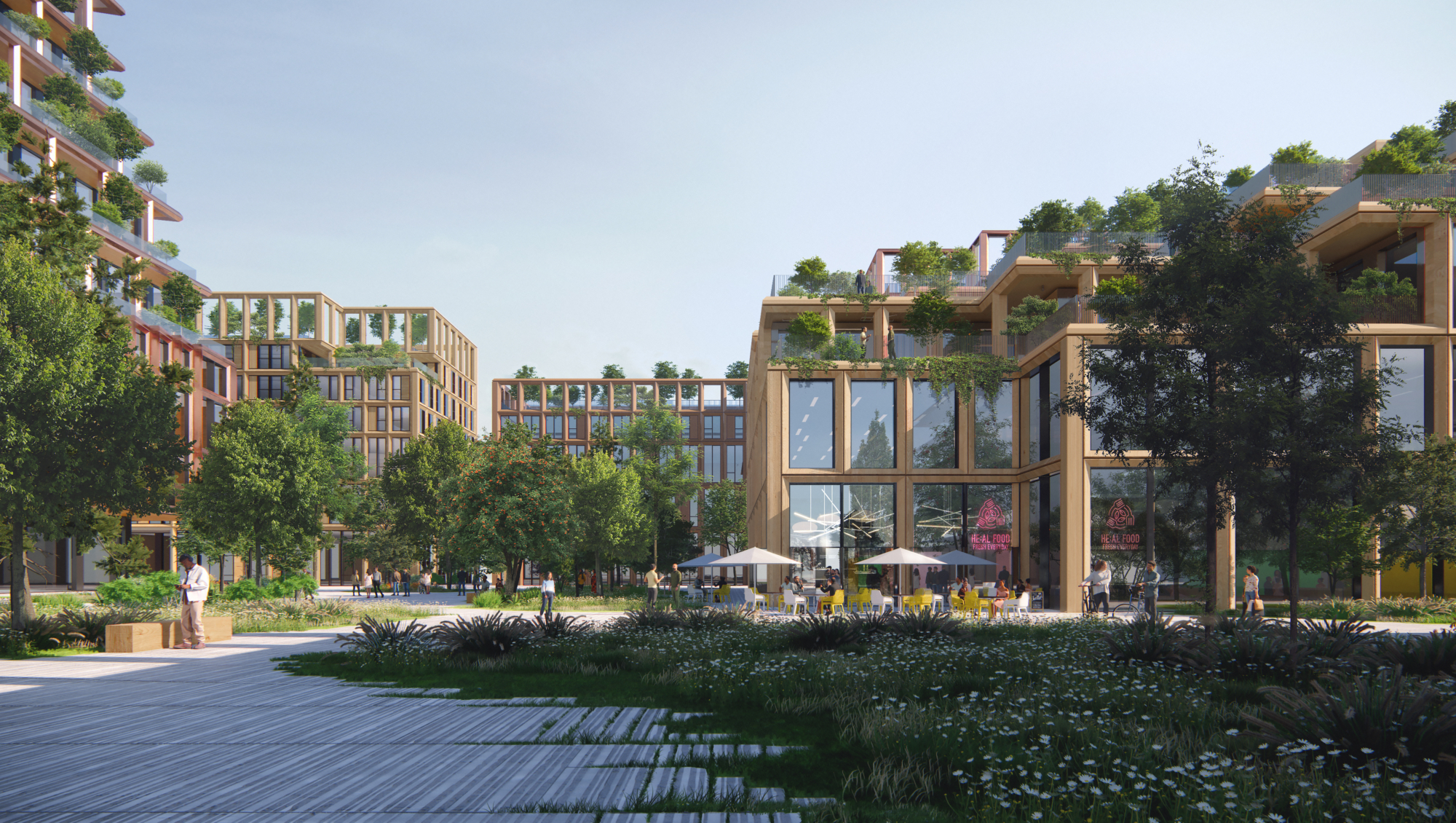
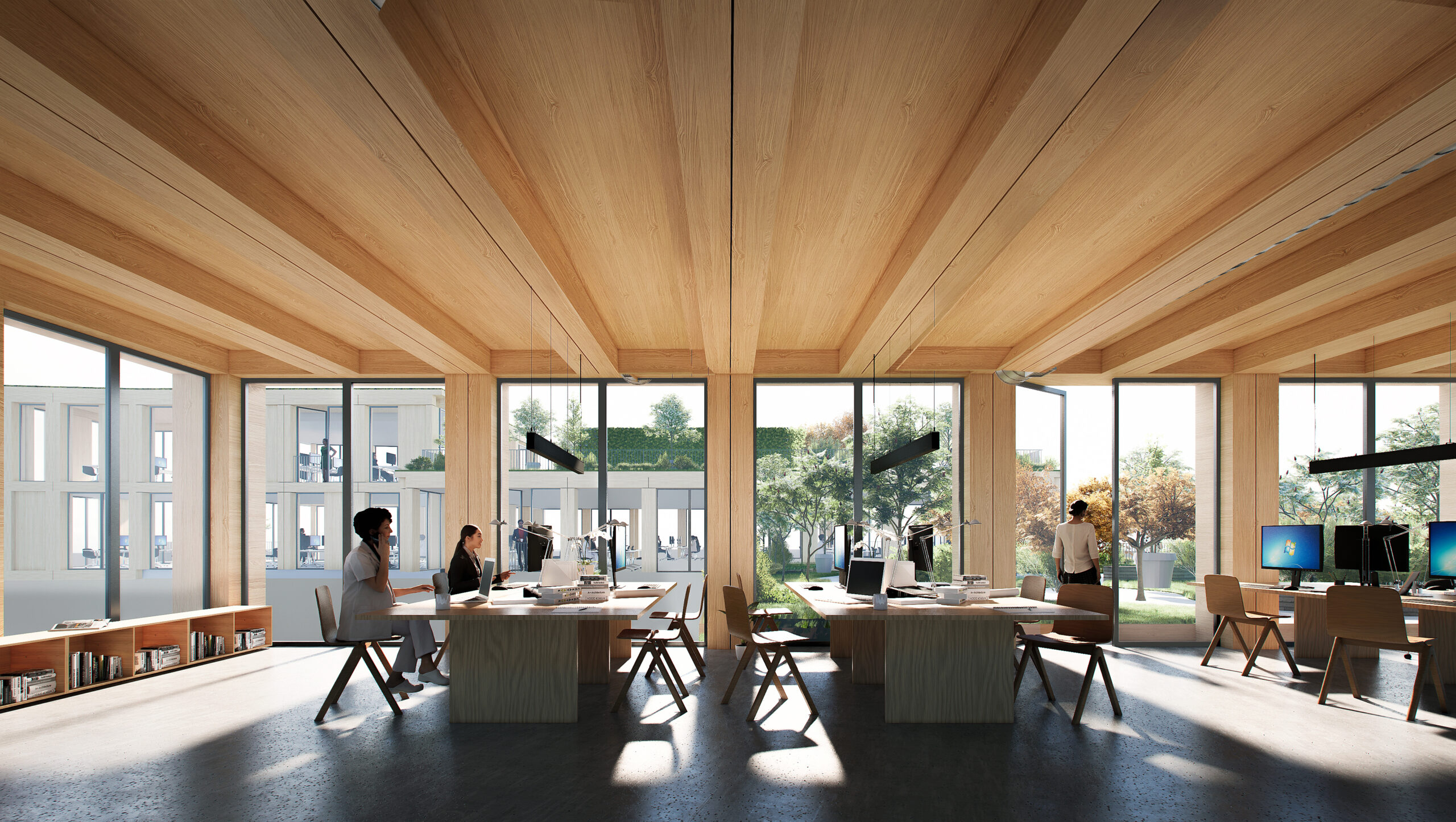
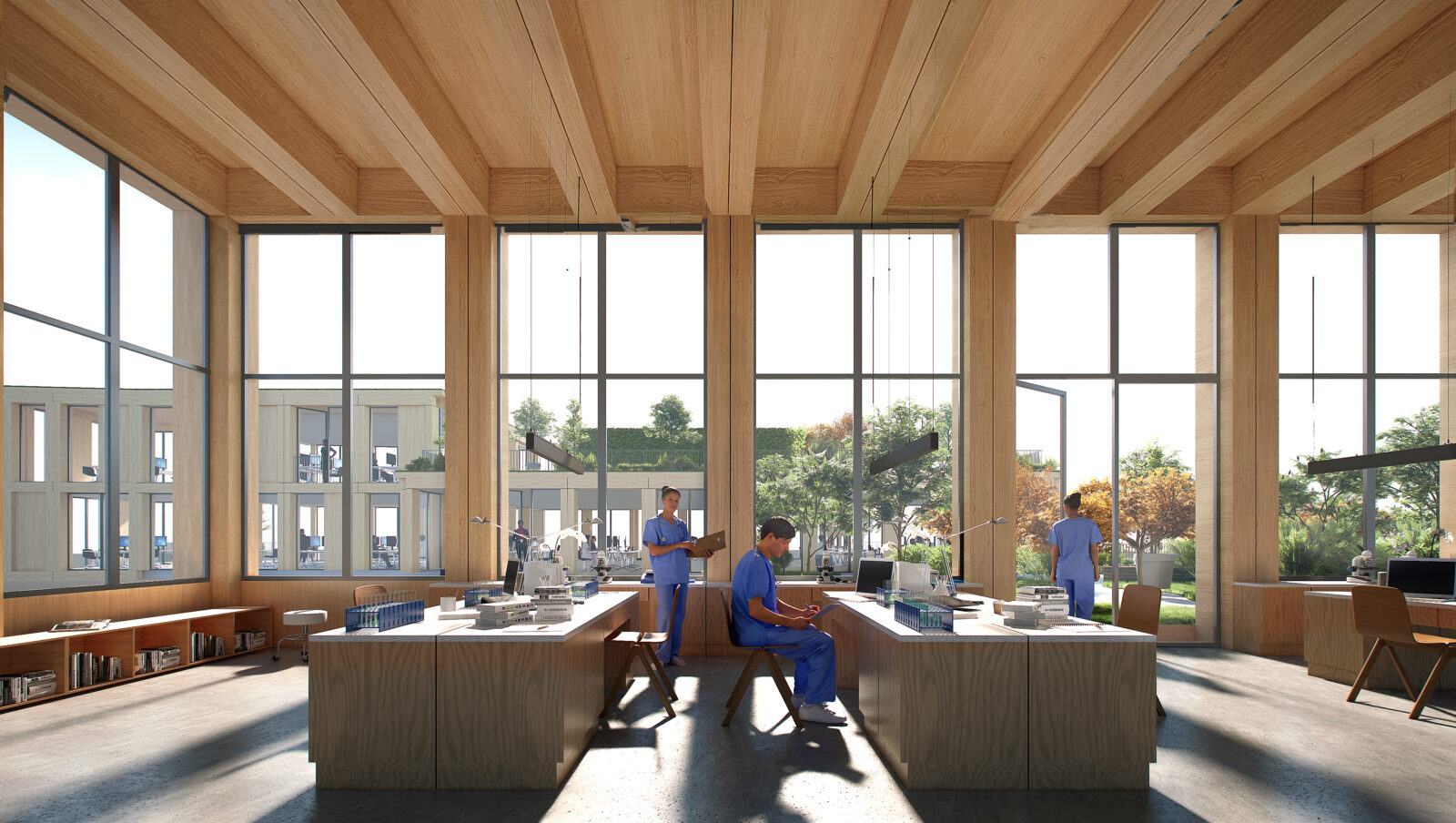
The current biofactor of the site is approximately 0.16, largely due to sealed surfaces and limited ecological diversity. The project aims to increase biodiversity by up to 850 percent over a twenty-year period, reaching a projected biofactor of 1.41 through the introduction of forest areas, meadows, wetlands, green roofs and large-scale tree planting. Water management is redesigned through open systems that slow stormwater runoff, improve filtration and create accessible landscape spaces. Retention basins and rain gardens contribute both to environmental performance and spatial quality. Former back façades of existing buildings are reoriented toward new public spaces, while active ground floors strengthen the relationship between buildings and landscape. The energy strategy is based on fossil-free systems supported by geothermal potential and on-site renewable energy production, contributing to the environmental performance of the campus.
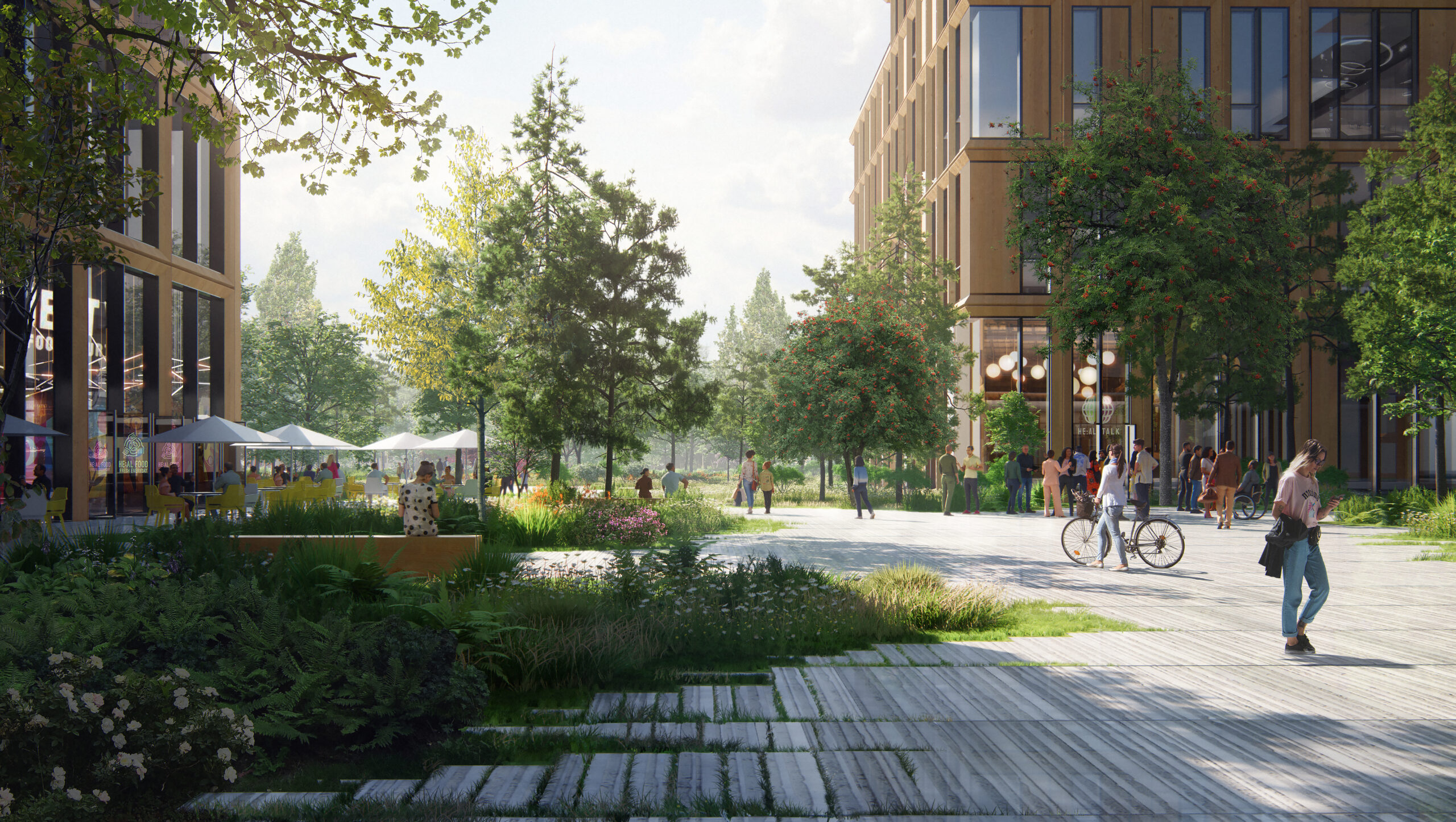
The project must accommodate new development within an operational hospital environment while respecting fire access, heliport flight paths and a phased implementation strategy. The masterplan therefore prioritizes flexibility and technical performance. The design approach combines landscape-led planning with modular low-carbon timber structures and reversible construction methods. A shared low-temperature geothermal energy network supports heating and cooling demands across the campus. Parametric environmental analysis informs façade design in order to balance glazing ratios, daylight availability and solar protection. The masterplan allows for a development capacity between approximately 83,500 and 98,000 square meters. The result is a flexible planning framework that supports phased growth, improved biodiversity, reduced embodied carbon and long-term adaptability of the campus.
| Location | Esch-sur-Alzette, LUX |
| Status | Ongoing |
| Procedure | Competition, 1st Prize |
| Size | 83,585 m² |
| Collaboration | EFFEKT, PROGROUP, Best, Sureal |
An interactive visual window into our planet's
changing climate, based on the most recent
measurements and climate model predictions
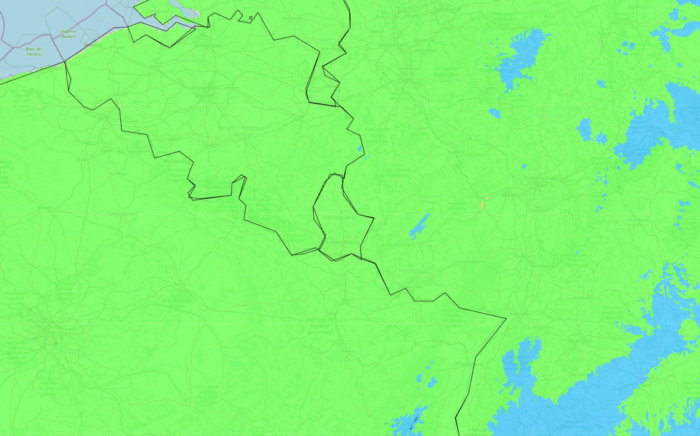
Luxembourg has a temperate oceanic climate (Köppen: Cfb), characterized by mild to cool winters and moderate summers, with no dry season. Rainfall is fairly evenly distributed throughout the year, and temperatures rarely reach extremes. Average summer highs range between 20–25°C (68–77°F), while winter lows typically hover around 0°C (32°F), with occasional frost or light snowfall. The climate is influenced by Atlantic weather patterns, contributing to its frequent cloud cover and humidity.