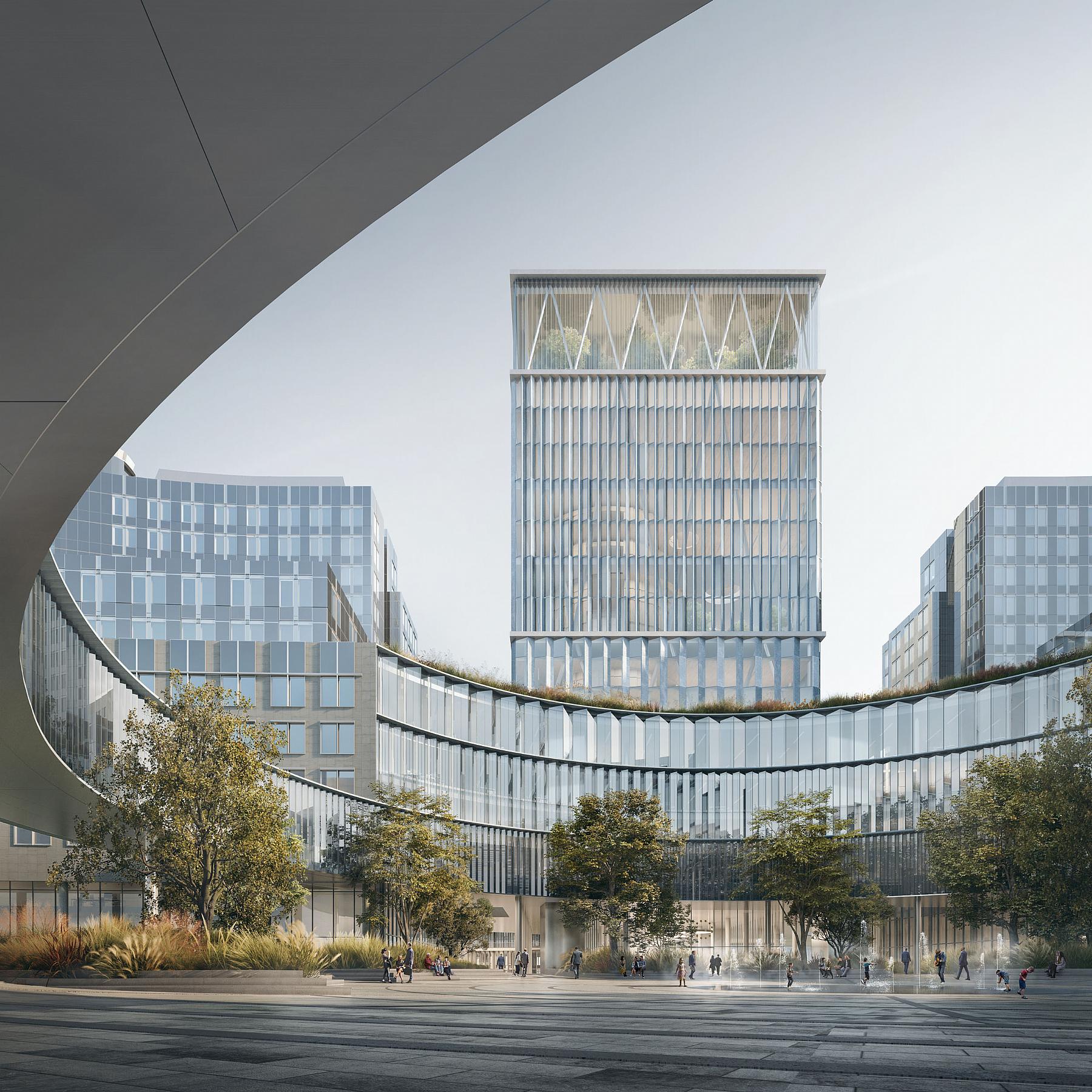
Faced with this emergency, we dared to conceive an administrative center that goes far beyond a simple collection of buildings. Our project commits to a regenerative approach: climate-responsive architecture inspired by nature and São Paulo’s specific climate, capable of evolving with its environment. Climate as a design tool, urbanism as climate planning—these are the project’s starting points. The proposal transforms the urban space into a vibrant and sustainable zone. Local climatic analyses guide the use of parametric design to optimize energy efficiency and architectural expression. Our response is action: integrating passive strategies, green roof spaces, and modularity for future flexibility.
The bold vision: making the center a model of urban resilience and robustness, in synergy with the city, to create a space that regenerates its urban ecosystem while embodying responsible innovation in a metropolis confronting its climatic limits.
- 2024
- Companhia Paulista de Parcerias
- Architecture, Climate Design
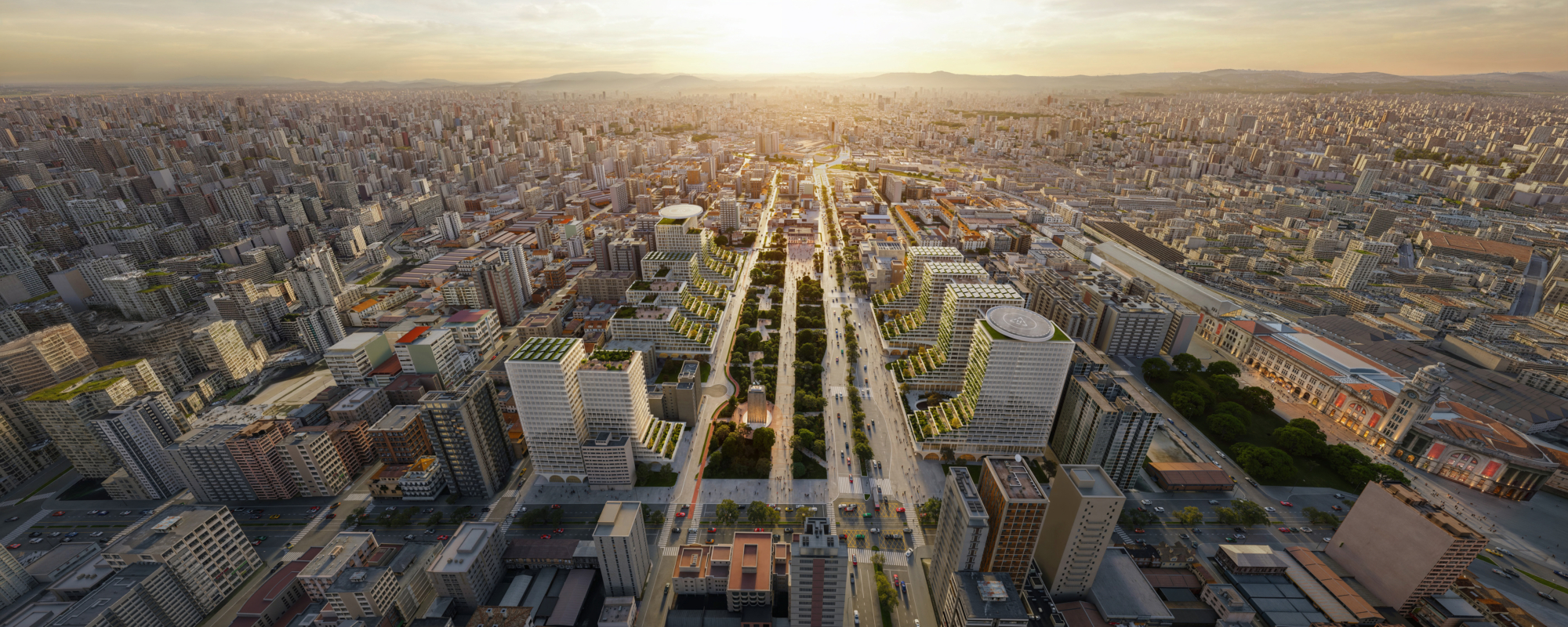
São Paulo, like its concrete skyscrapers, is trapped in an obsolete urban model, incapable of facing climate disruptions. The city suffers from heat islands, devastating floods, and increased vulnerability to extreme heat waves. Its architecture, designed for endless growth, has become a barrier to resilience, amplifying the crisis rather than mitigating it. Continuing to build in this way means feeding an endless cycle of degradation and insecurity for its residents.
In this context, designing a government palace that integrates these issues presents a unique opportunity to create a new resilient, robust, innovative model, suited to an uncertain and complex climate future within a developing district.
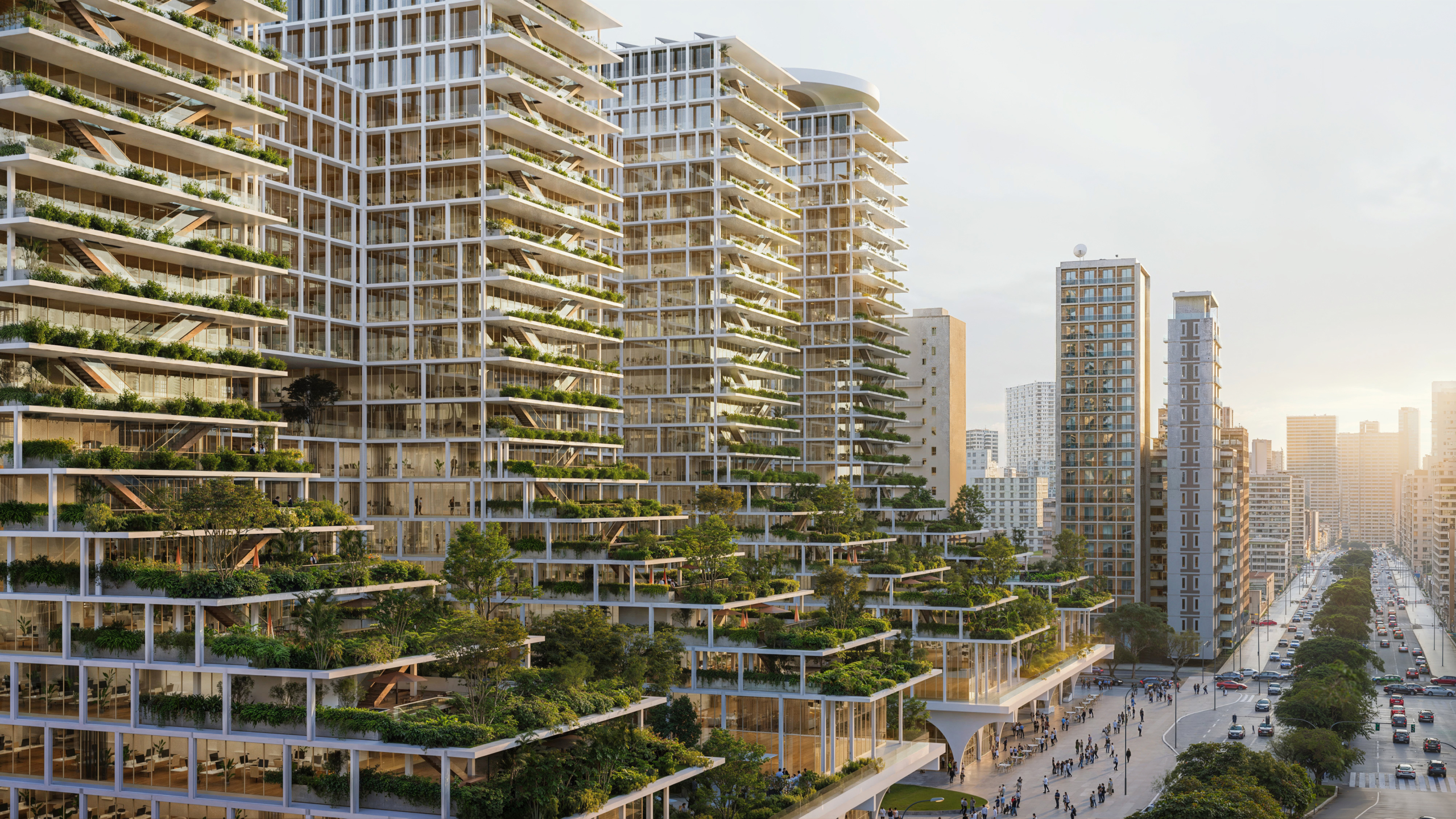
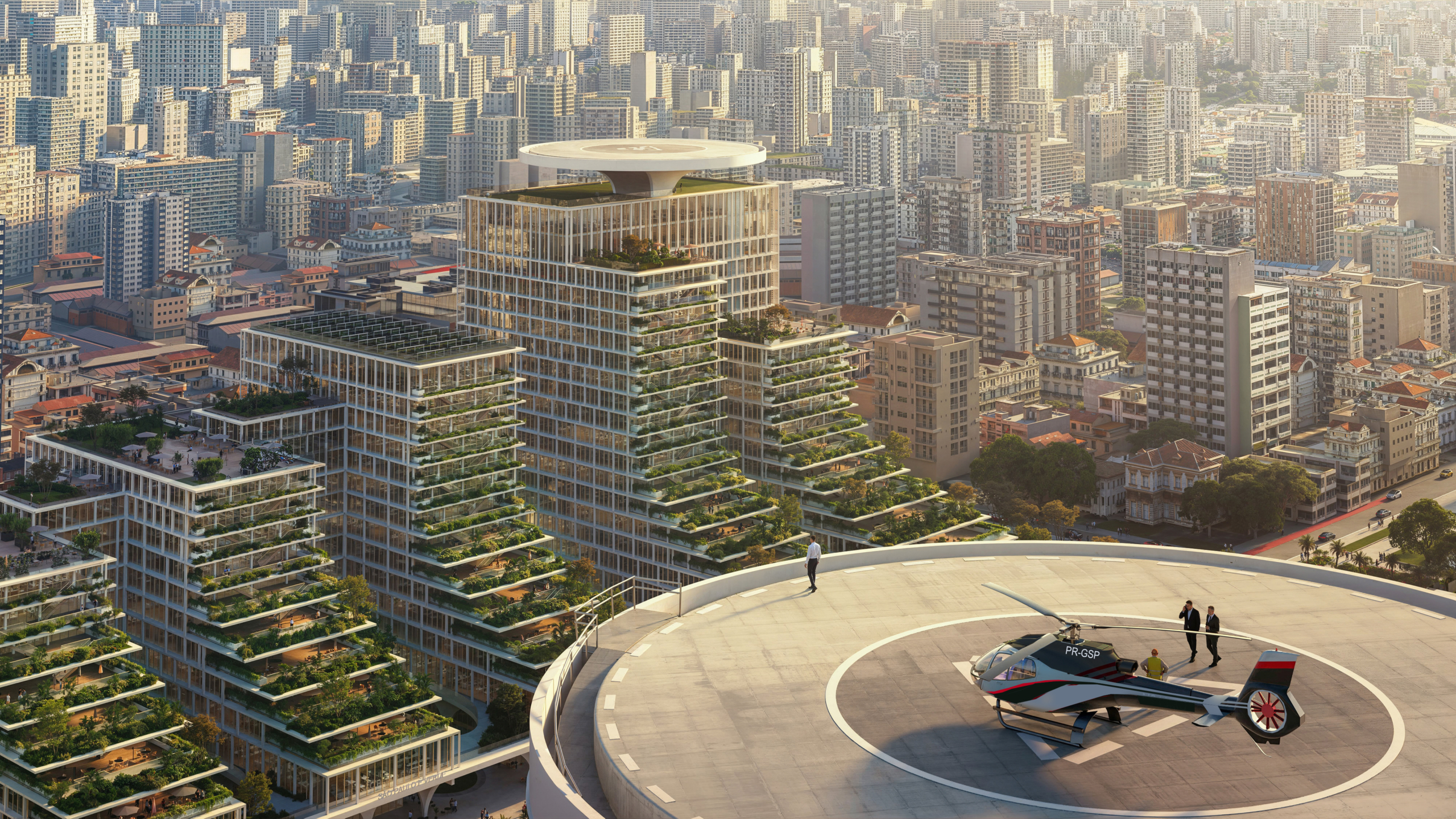
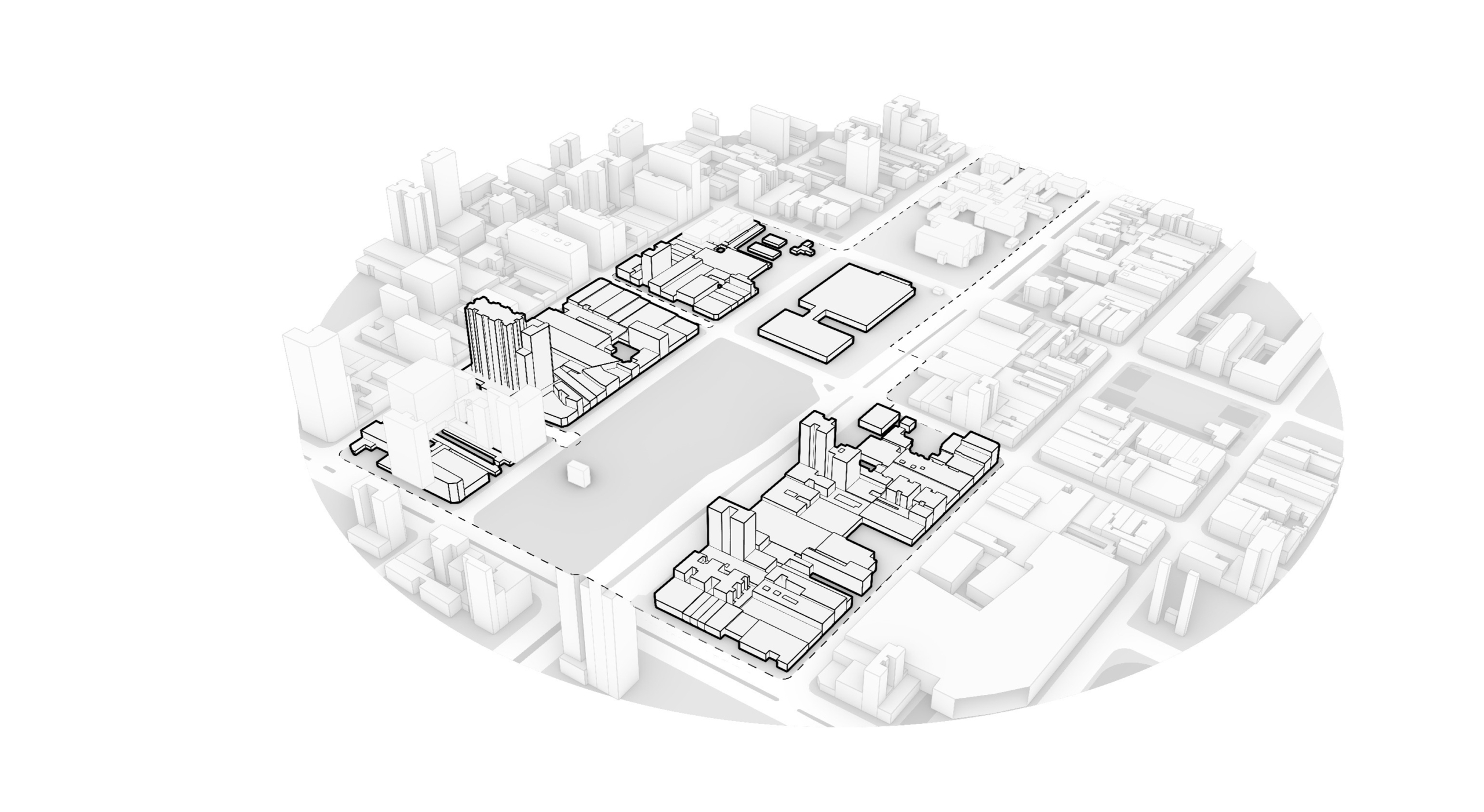
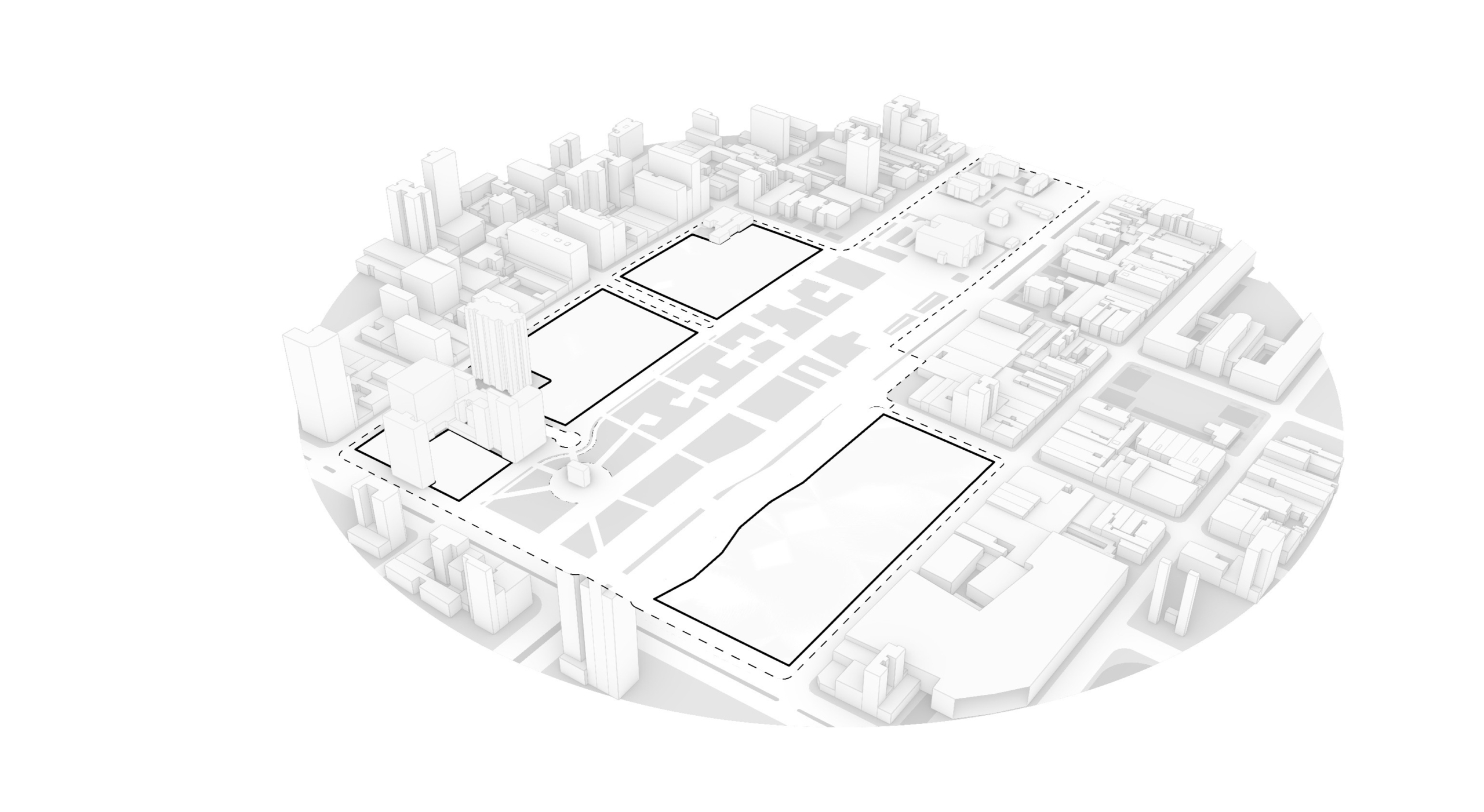
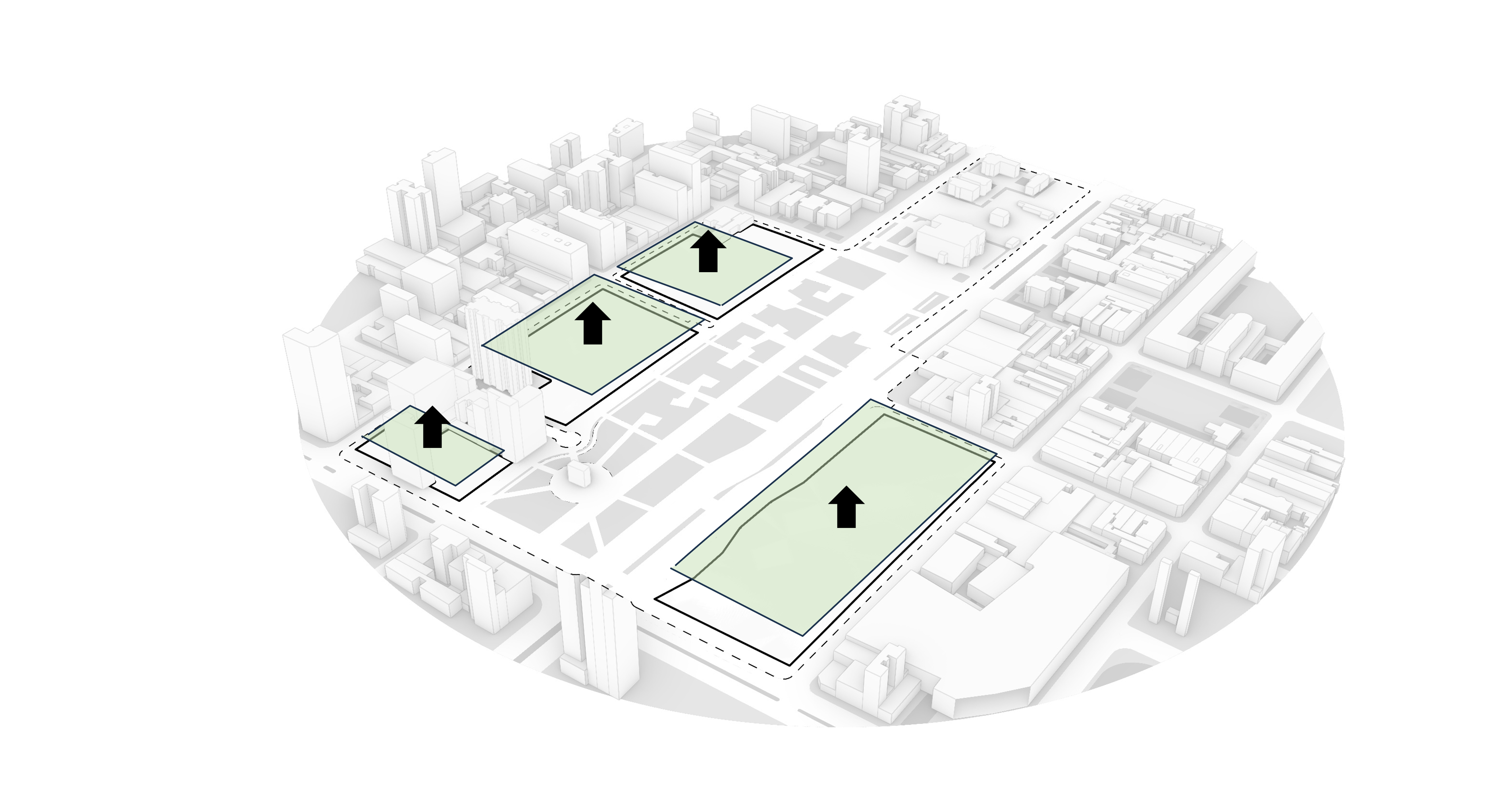
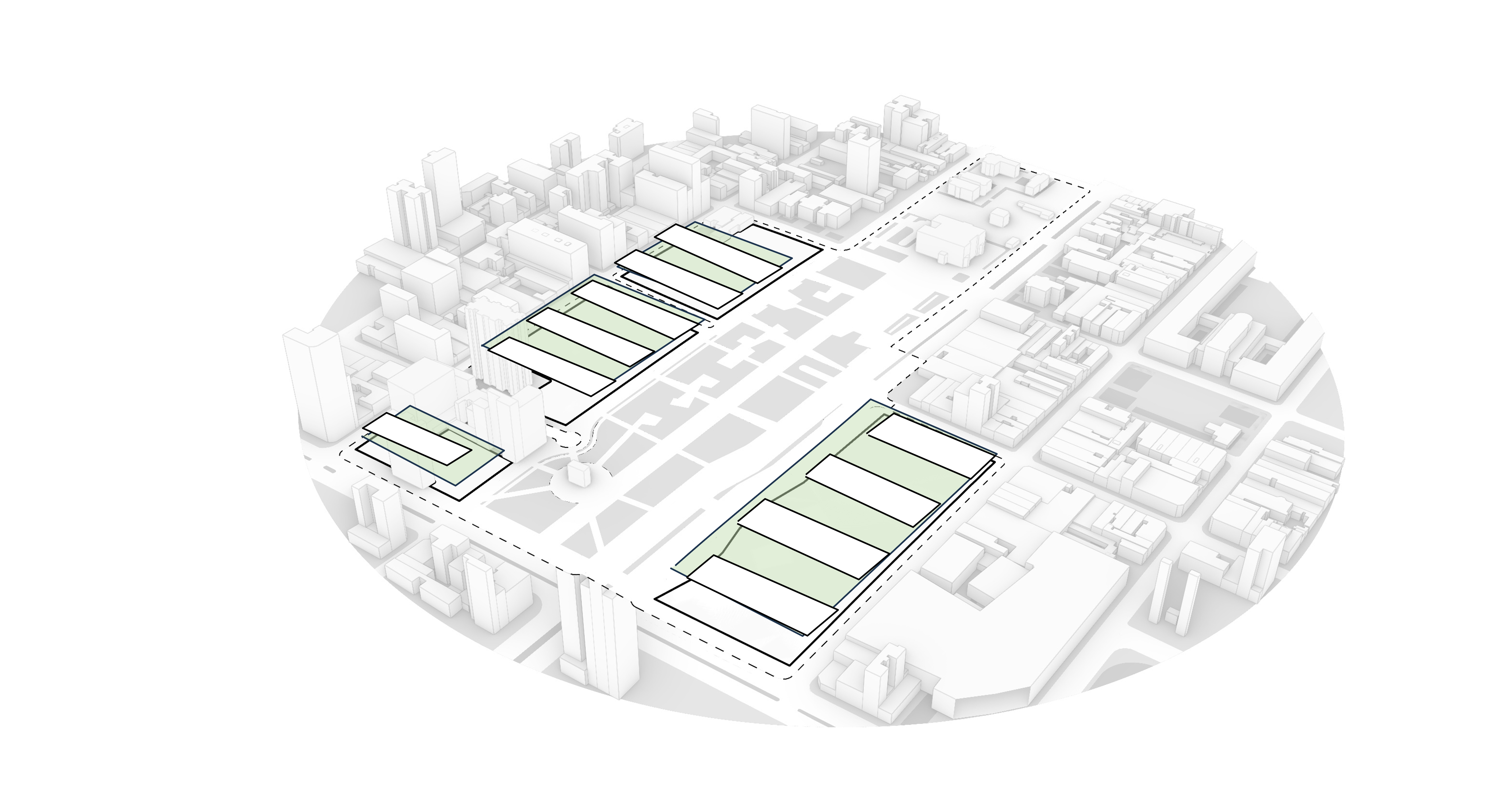
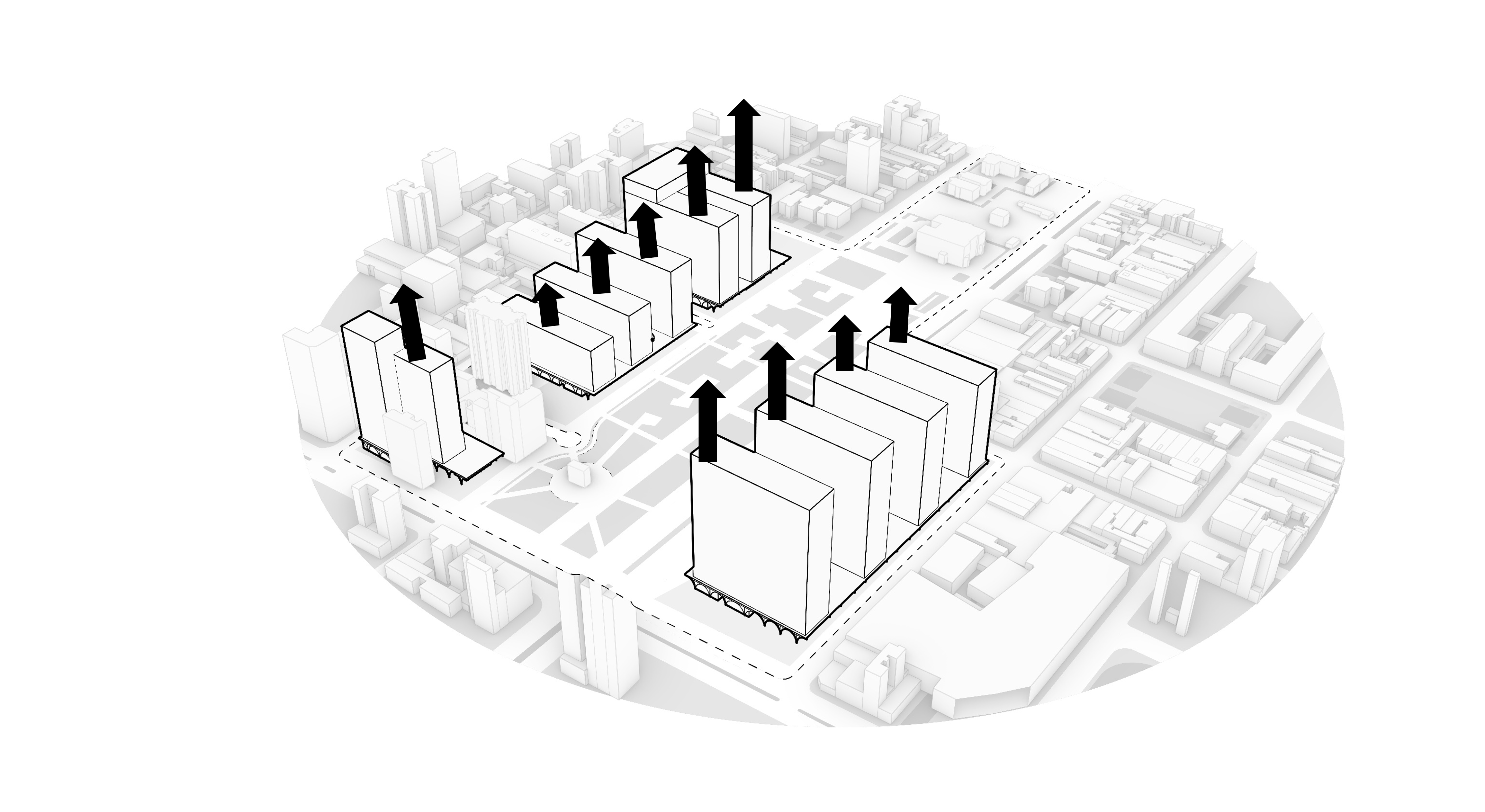
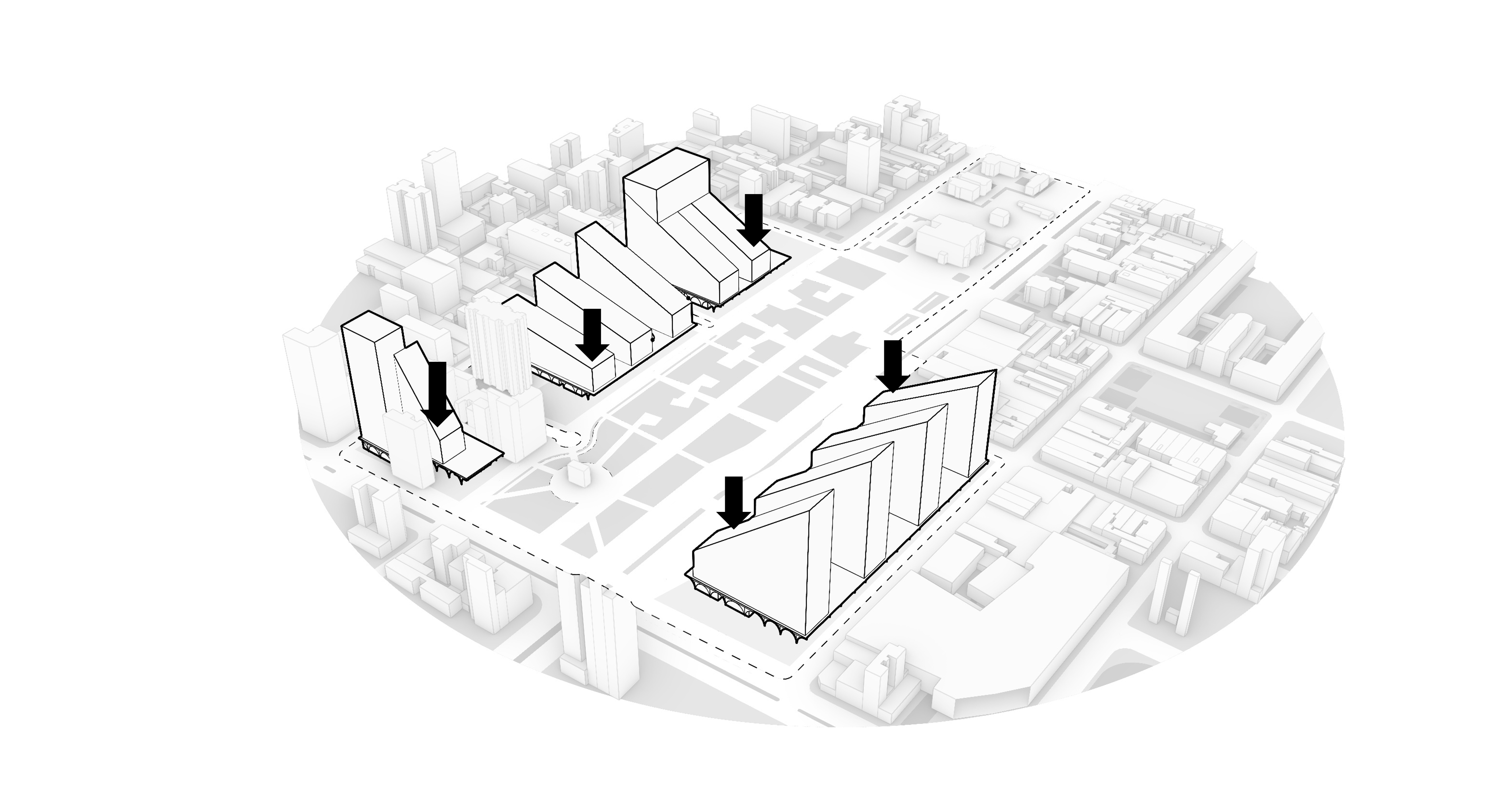
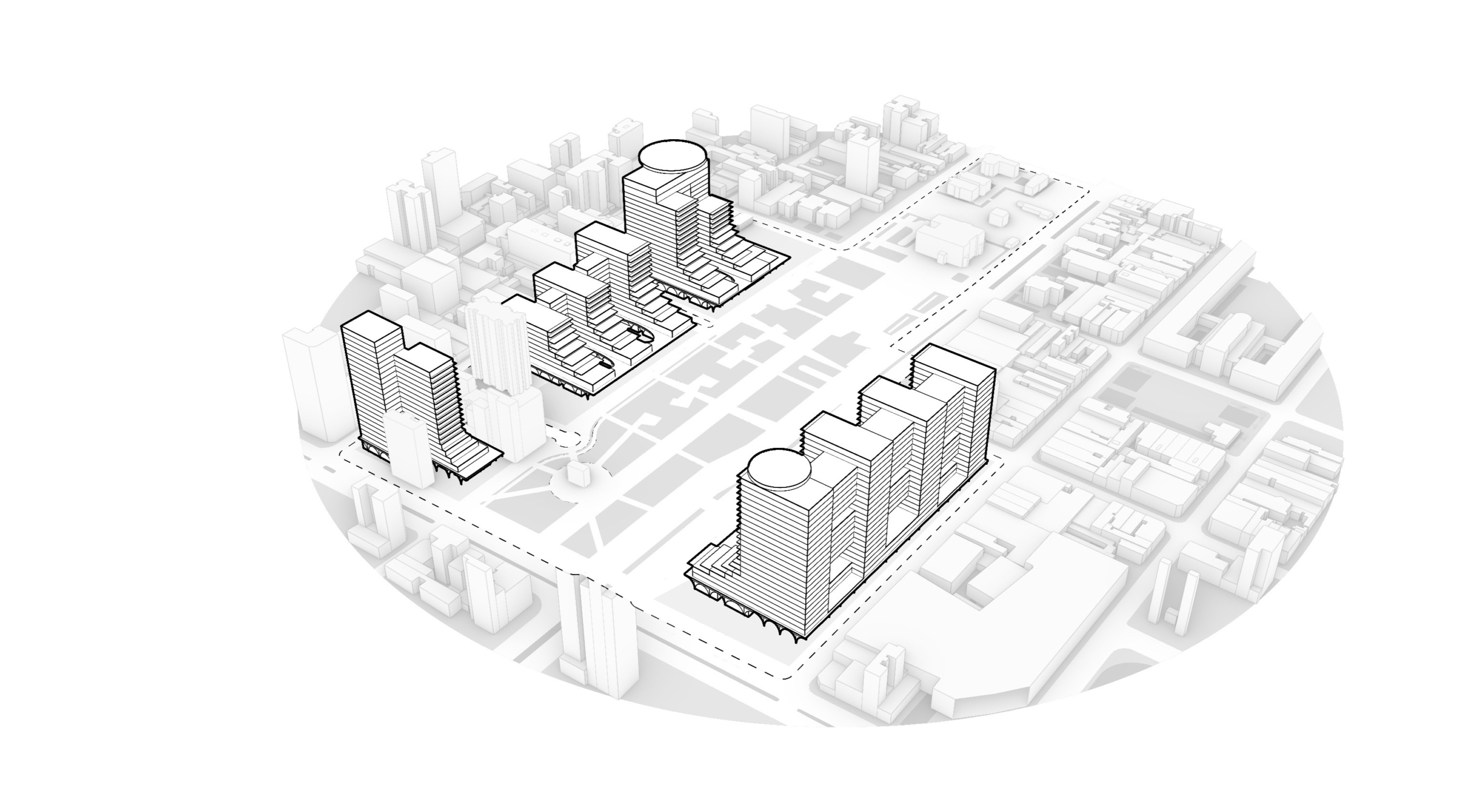
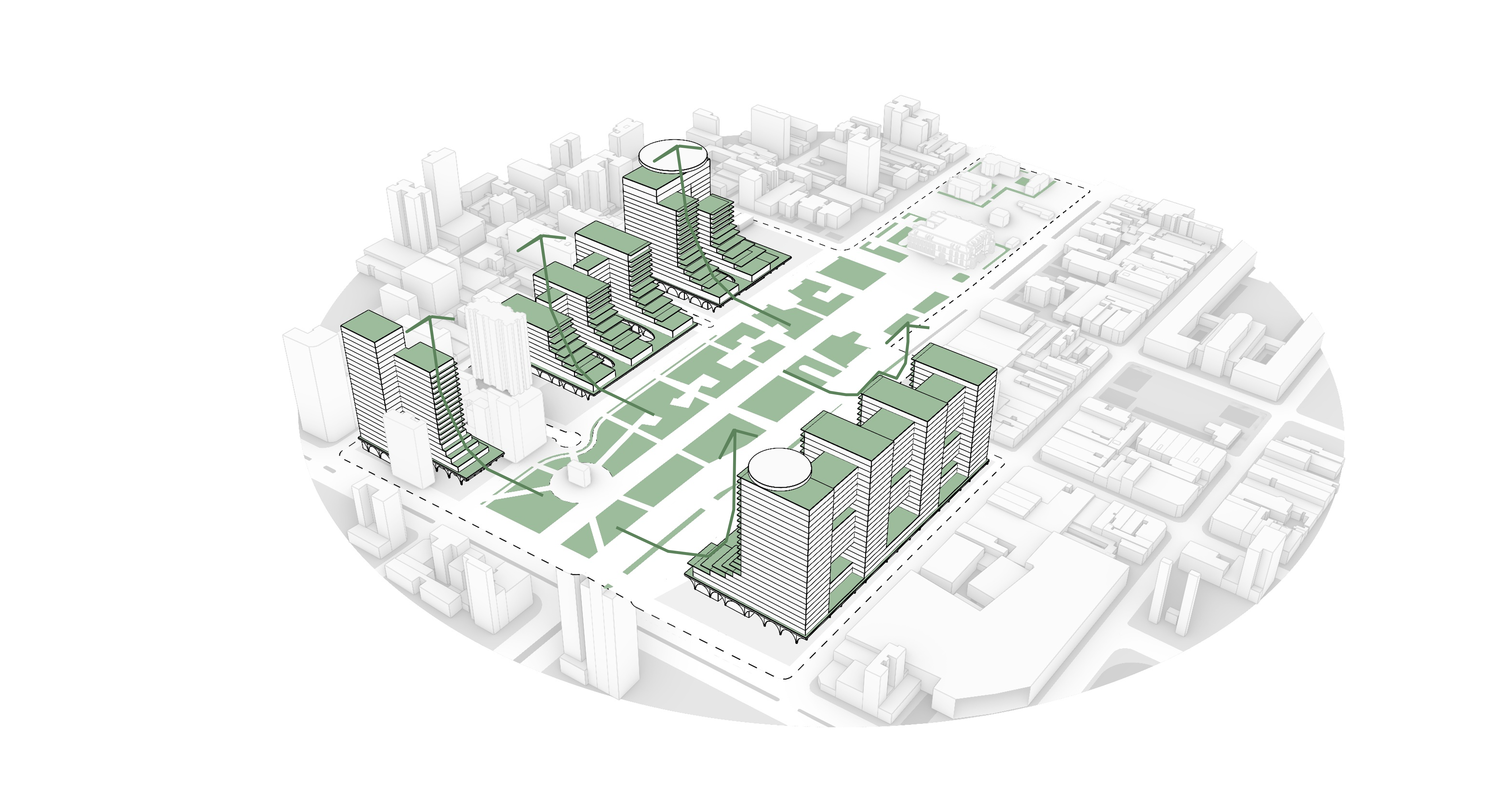
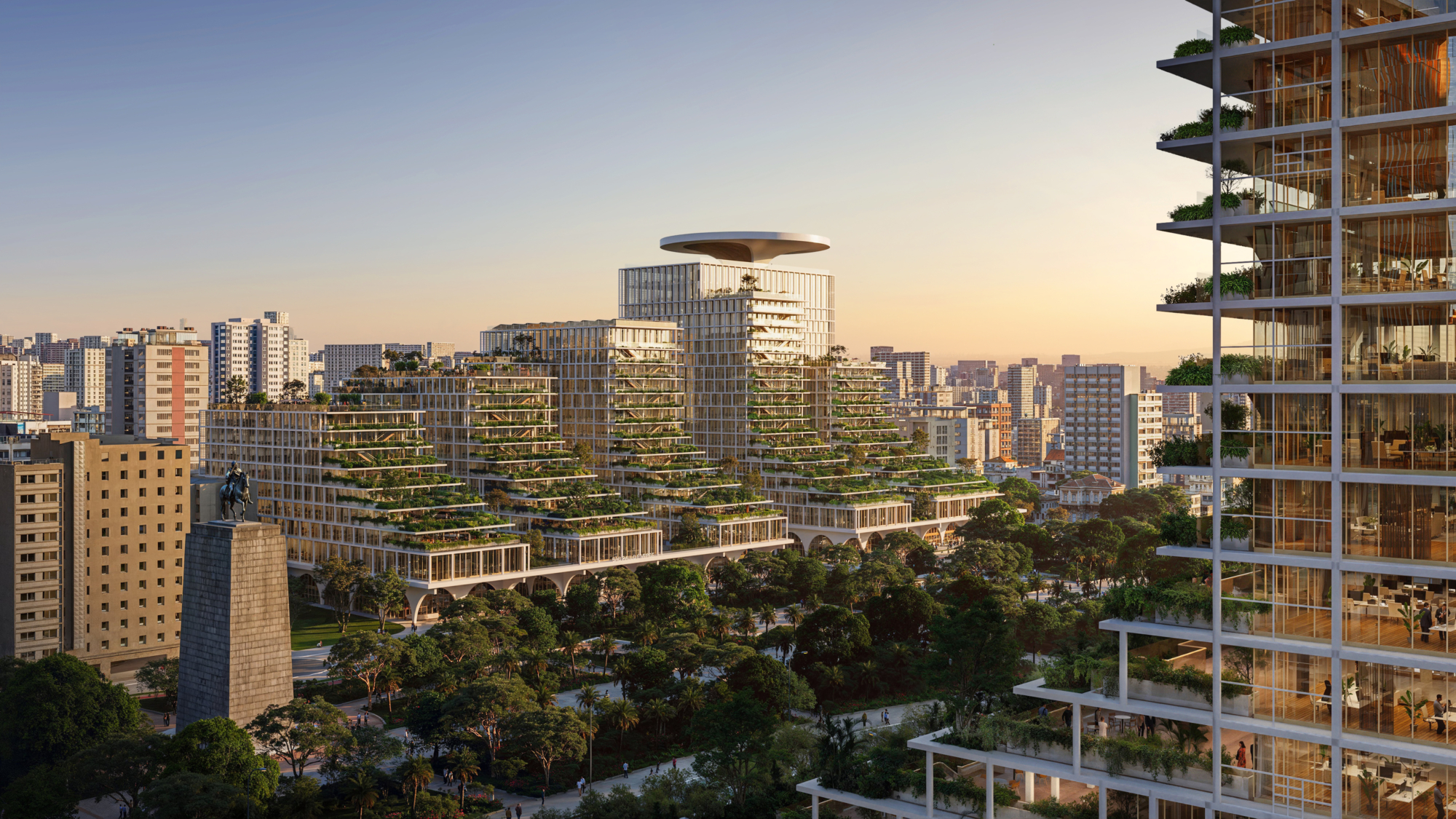
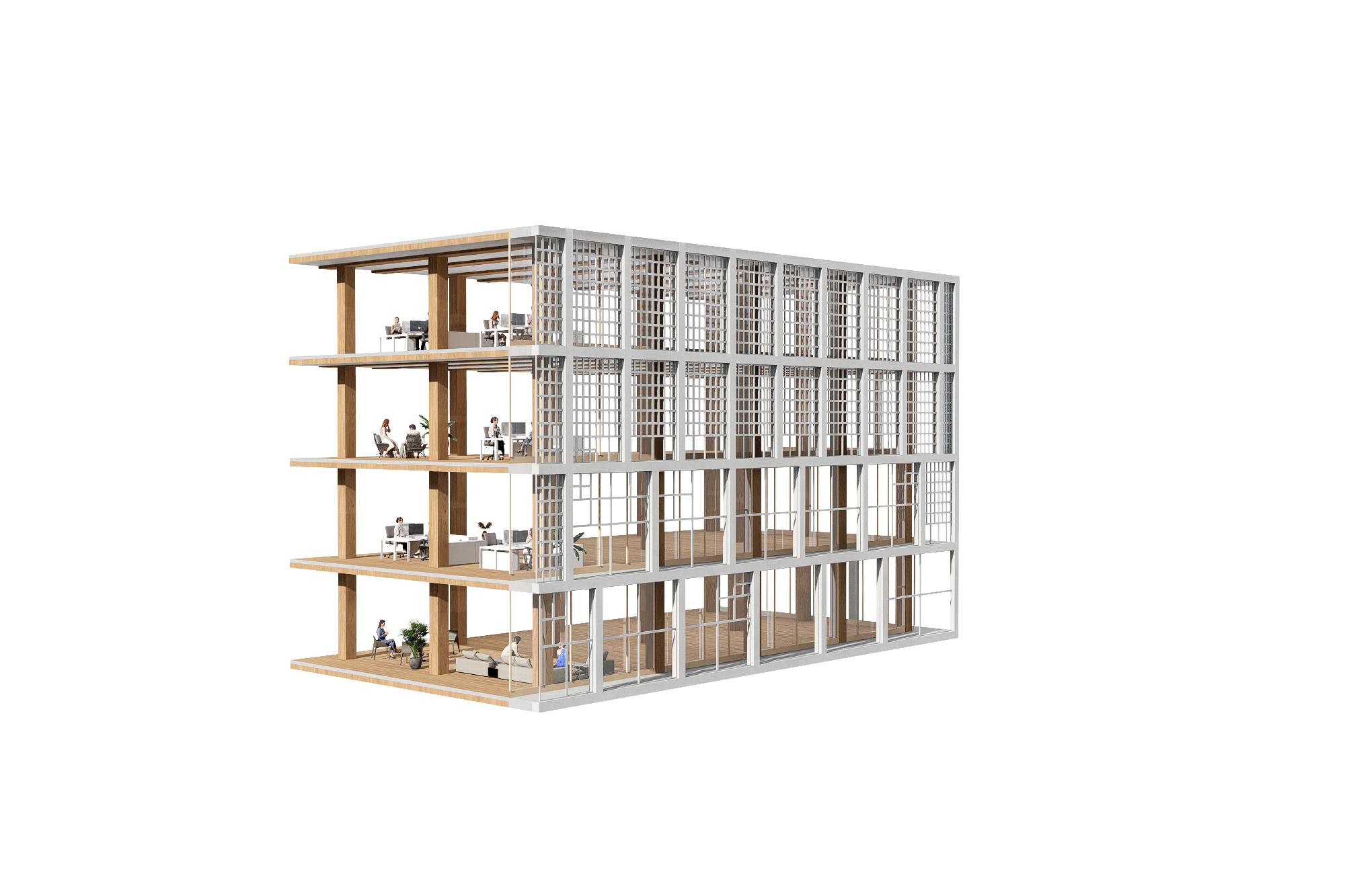
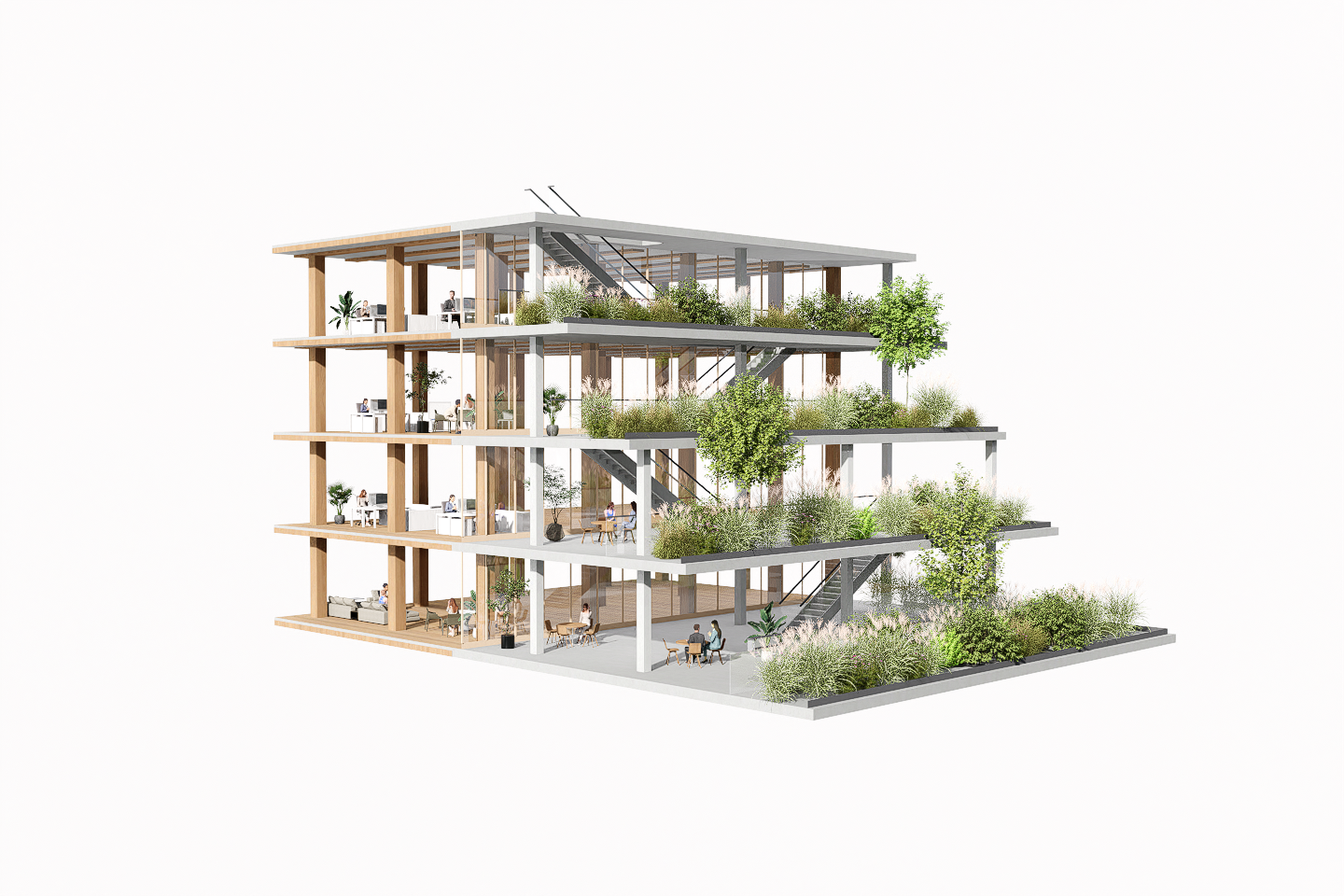
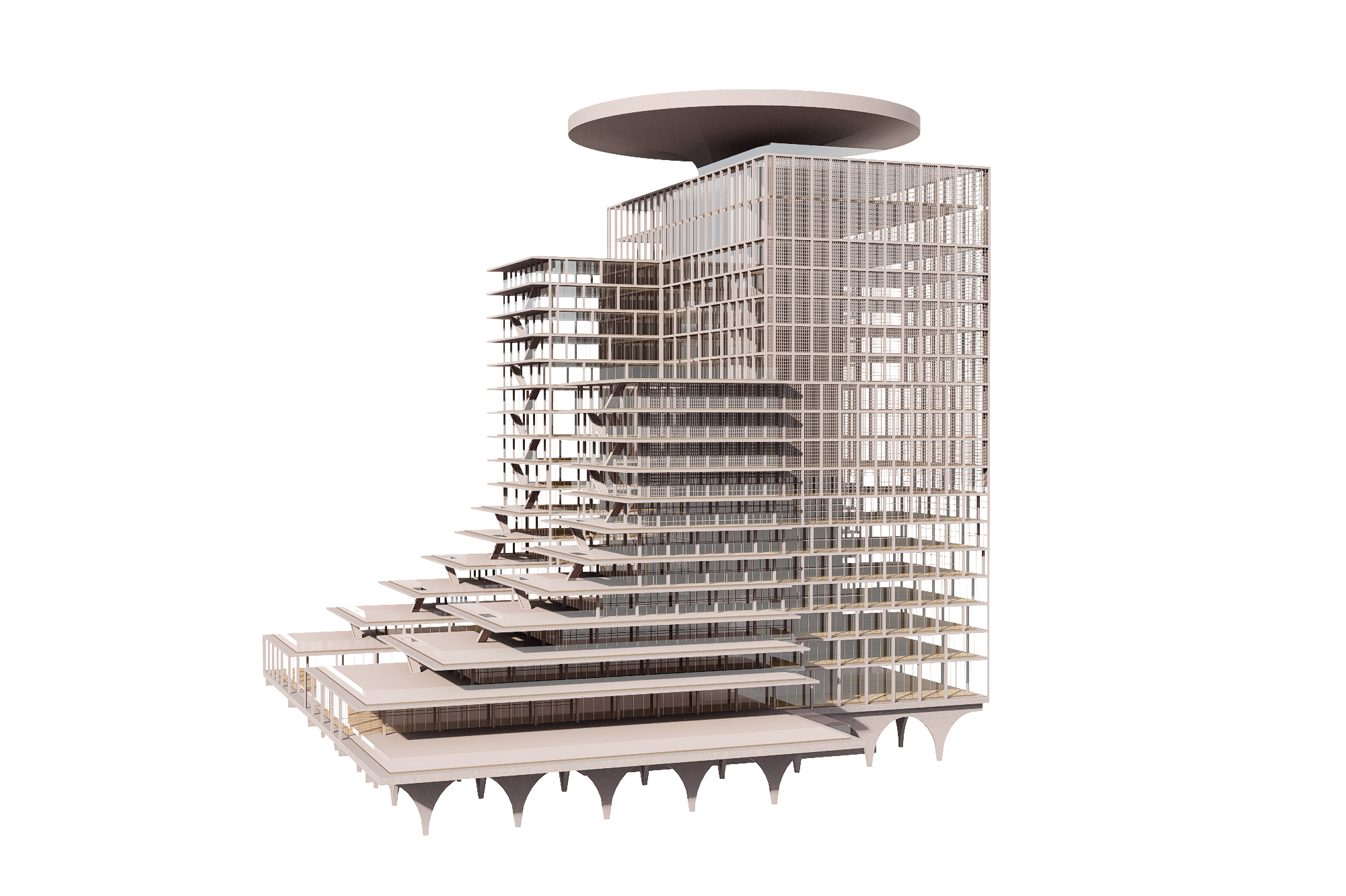
This project plunges São Paulo into a new era: one where architecture becomes a lever for resilience, far from being merely an obstacle. Stepped towers feature green terraces that promote biodiversity and enhance occupant well-being, while creating a dynamic microclimate. Dynamic facades, designed to respond to insolation conditions, reduce heat gains and maximize natural light. Moucharabieh screens and extended slabs improve thermal comfort and reduce energy consumption. The ground floor, with commercial spaces that promote ventilation, creates a vibrant urban interaction zone.
Mixed ventilation, combining natural and mechanical systems, paired with heat recovery air treatment, ensures optimal indoor comfort year-round. By cultivating greenery, managing water responsibly, and using passive systems, the center becomes the heart of a city that breathes, transforming the brutality of concrete into a living ecosystem capable of absorbing heat, controlling floods, and encouraging biodiversity. The city, long weakened by excess, is reborn as a vital space connected to its ecological and climate challenges.
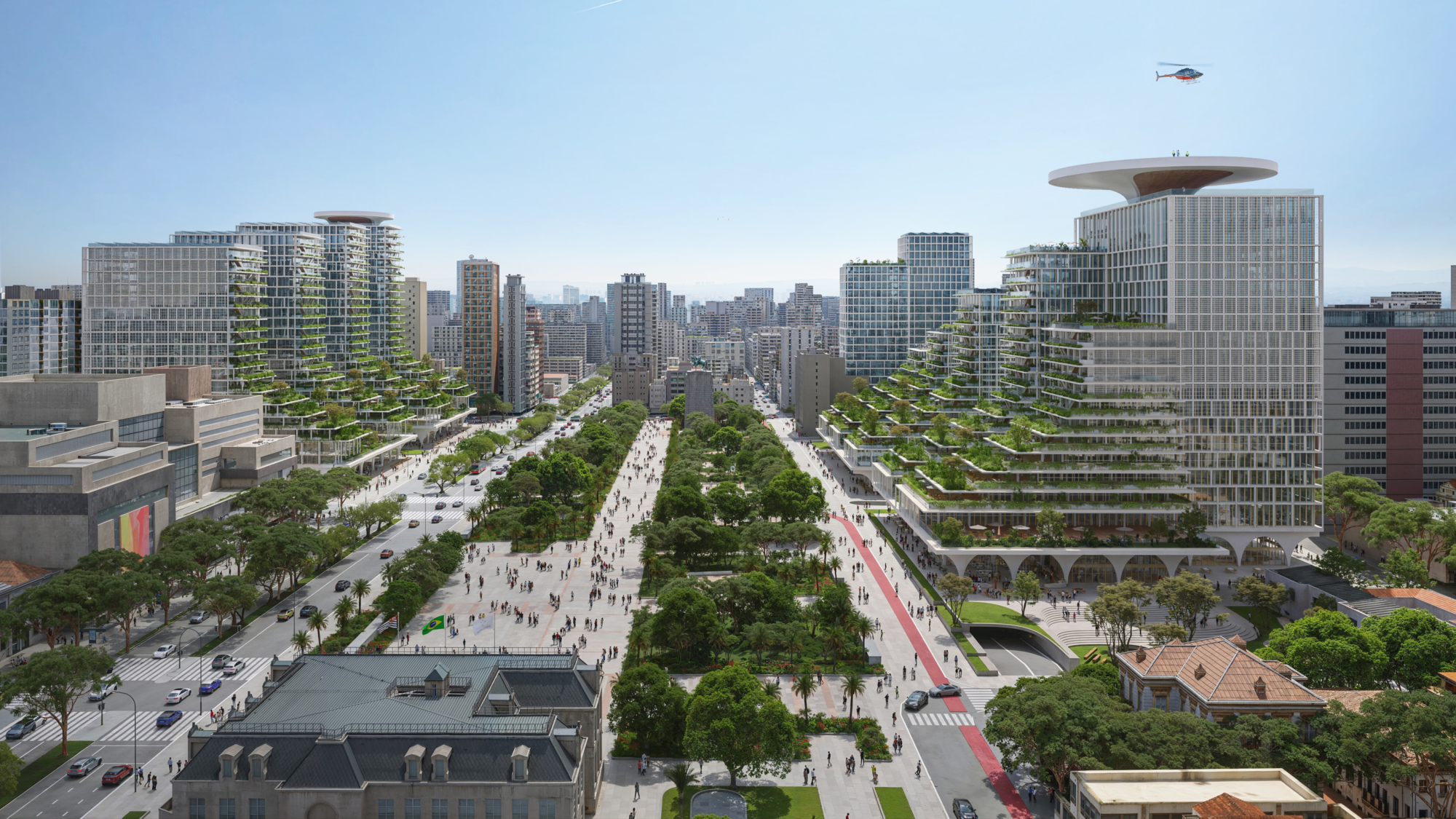
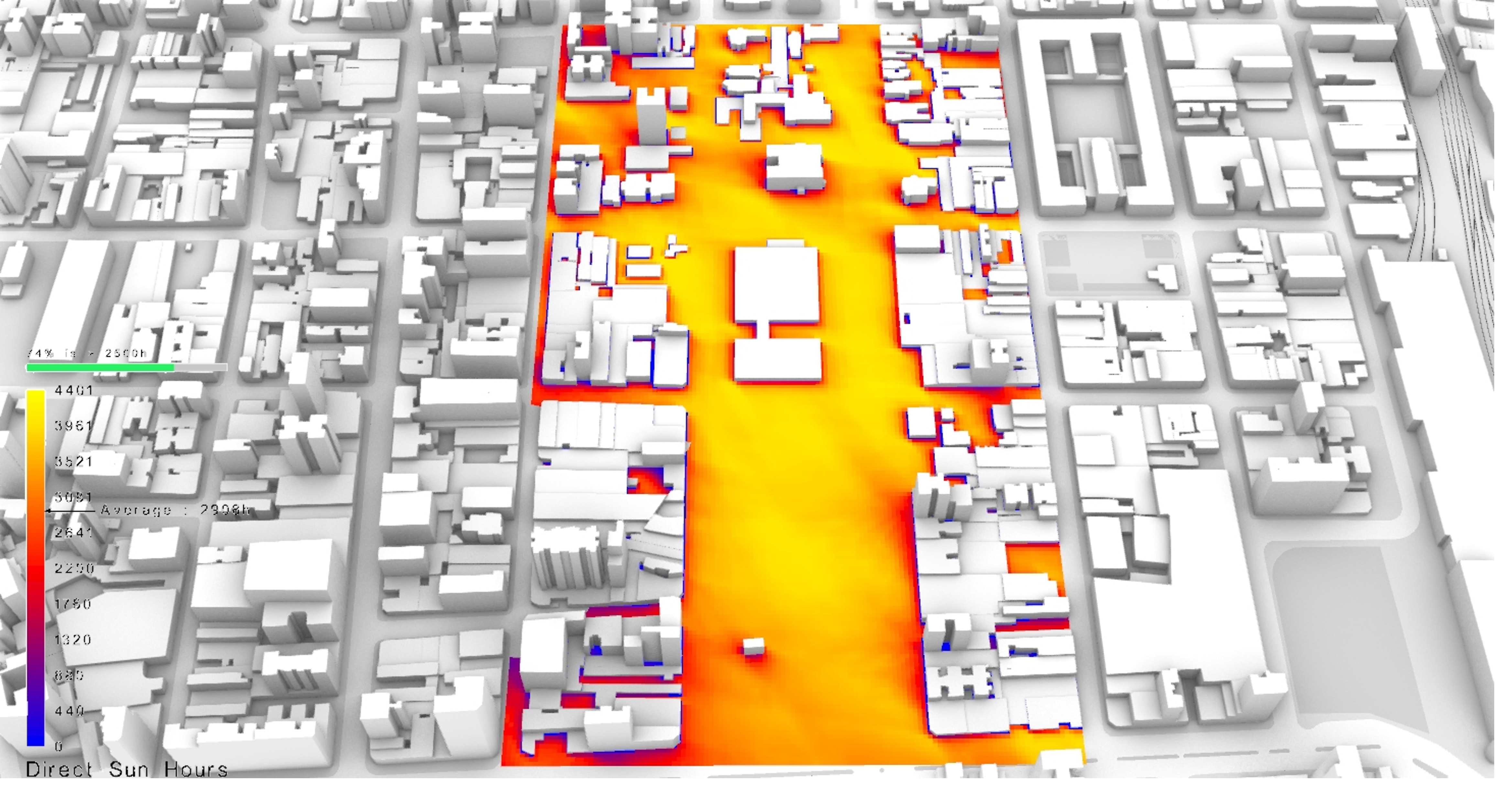
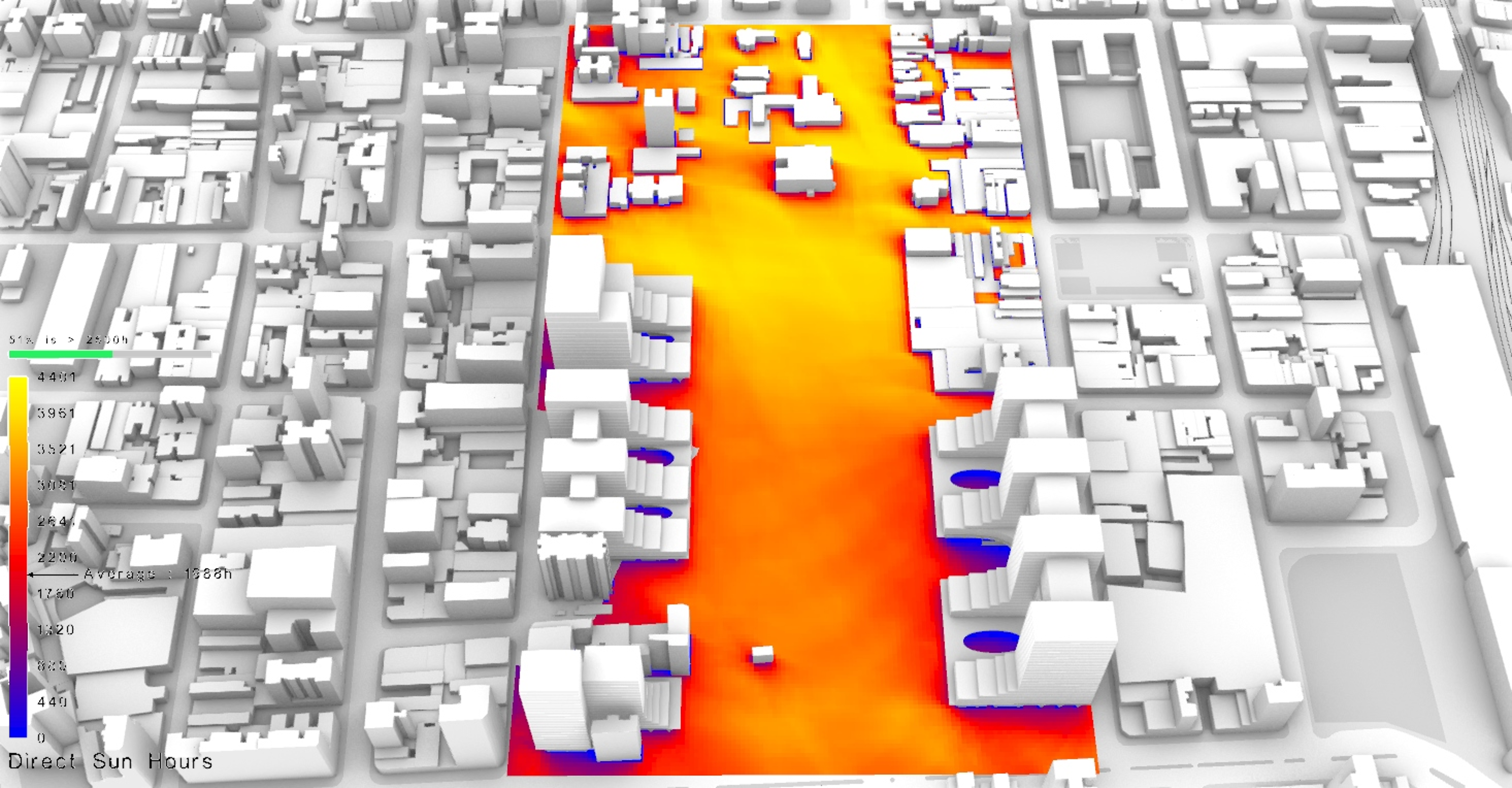
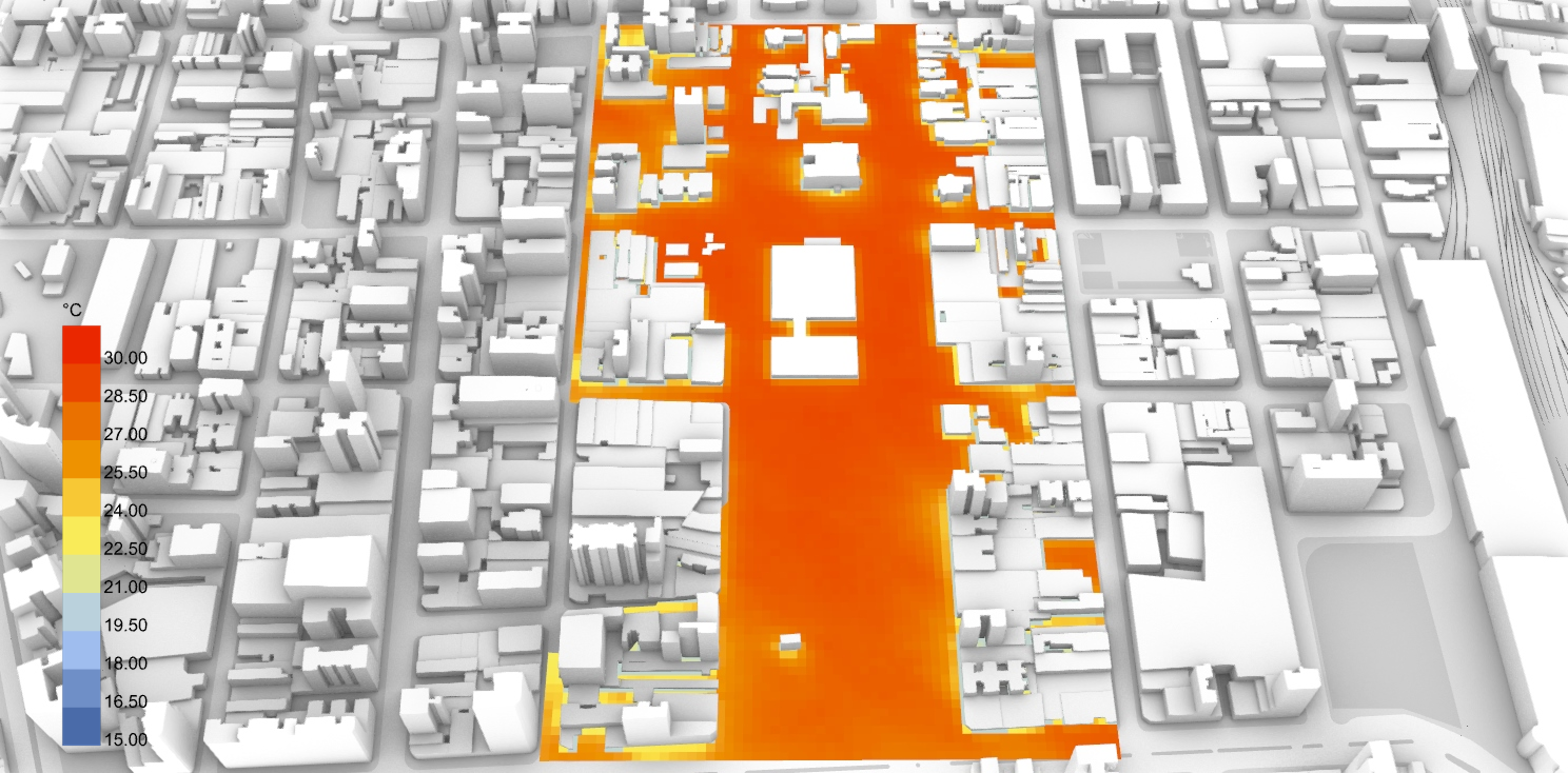
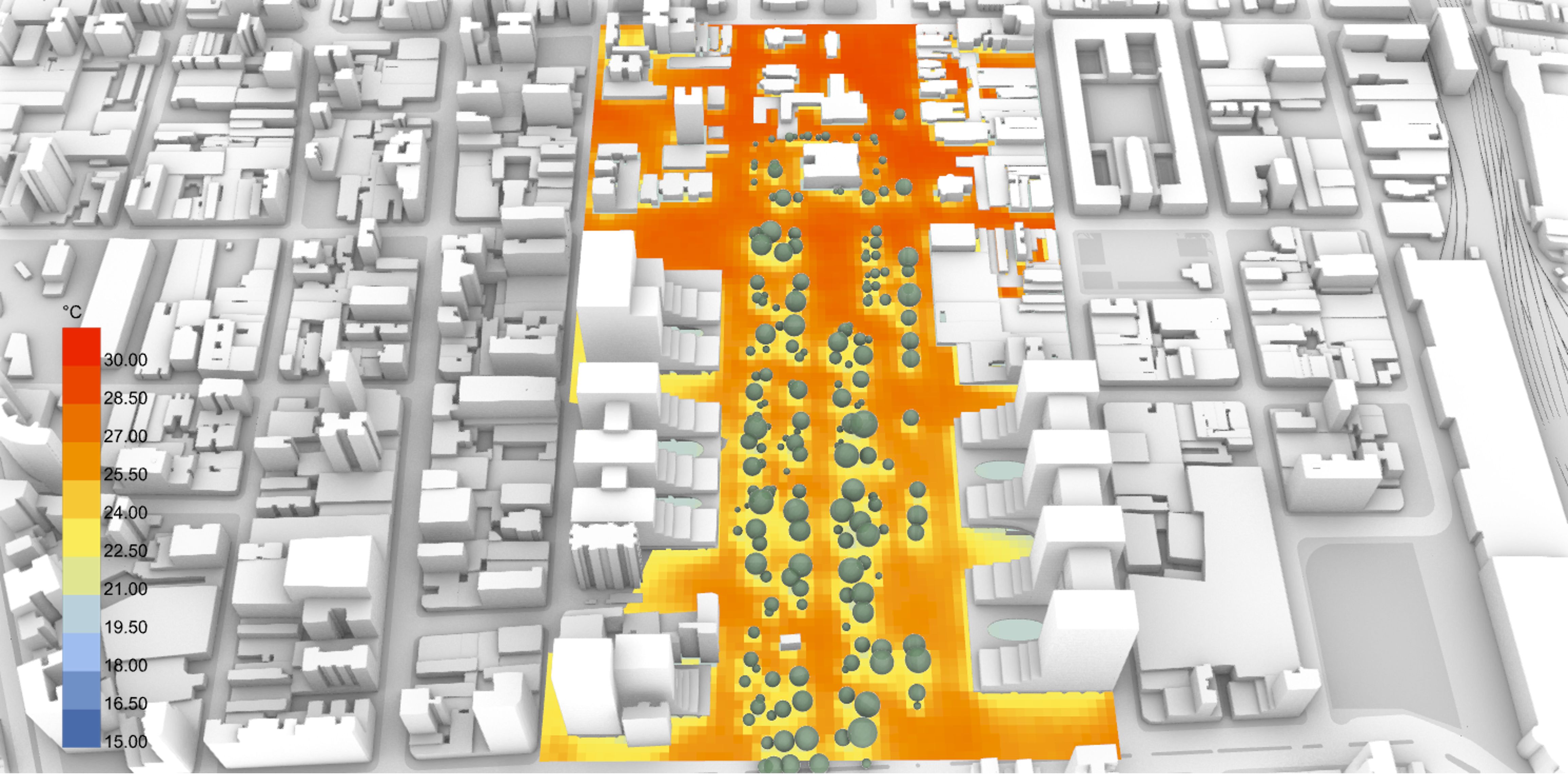
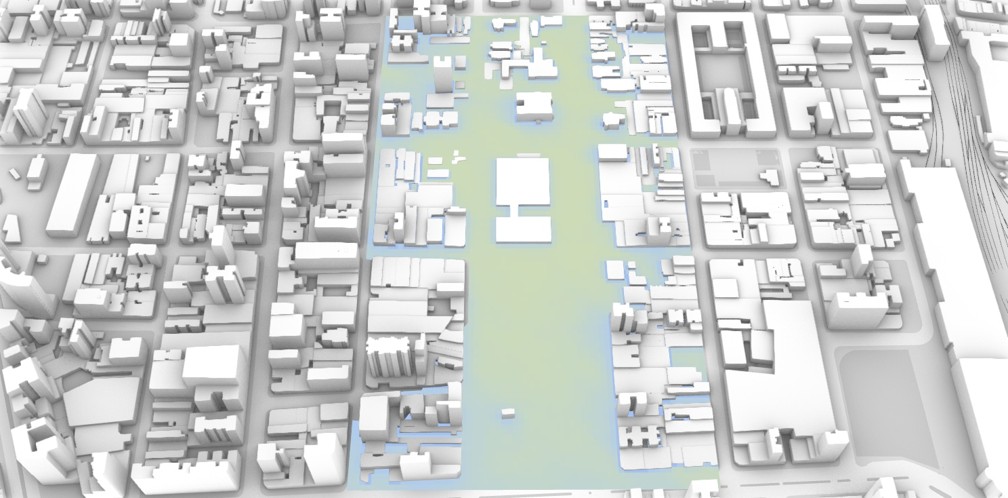
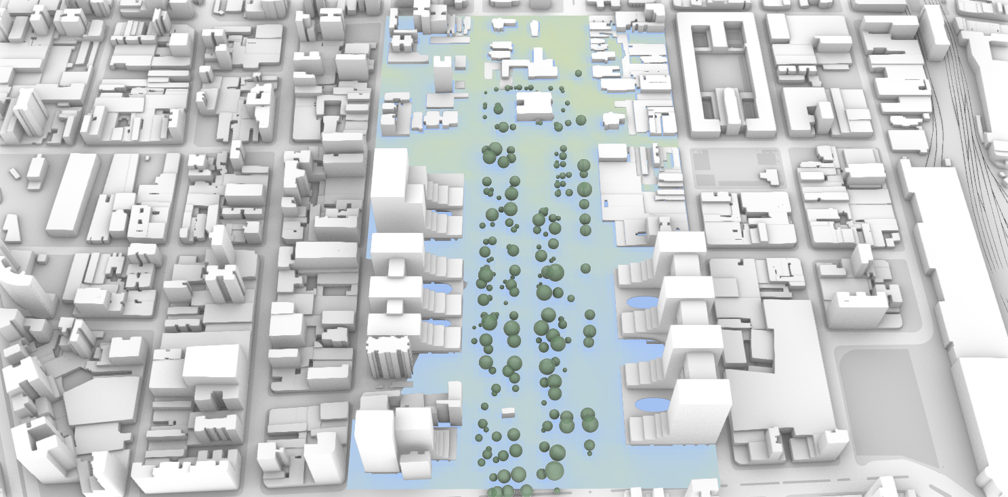
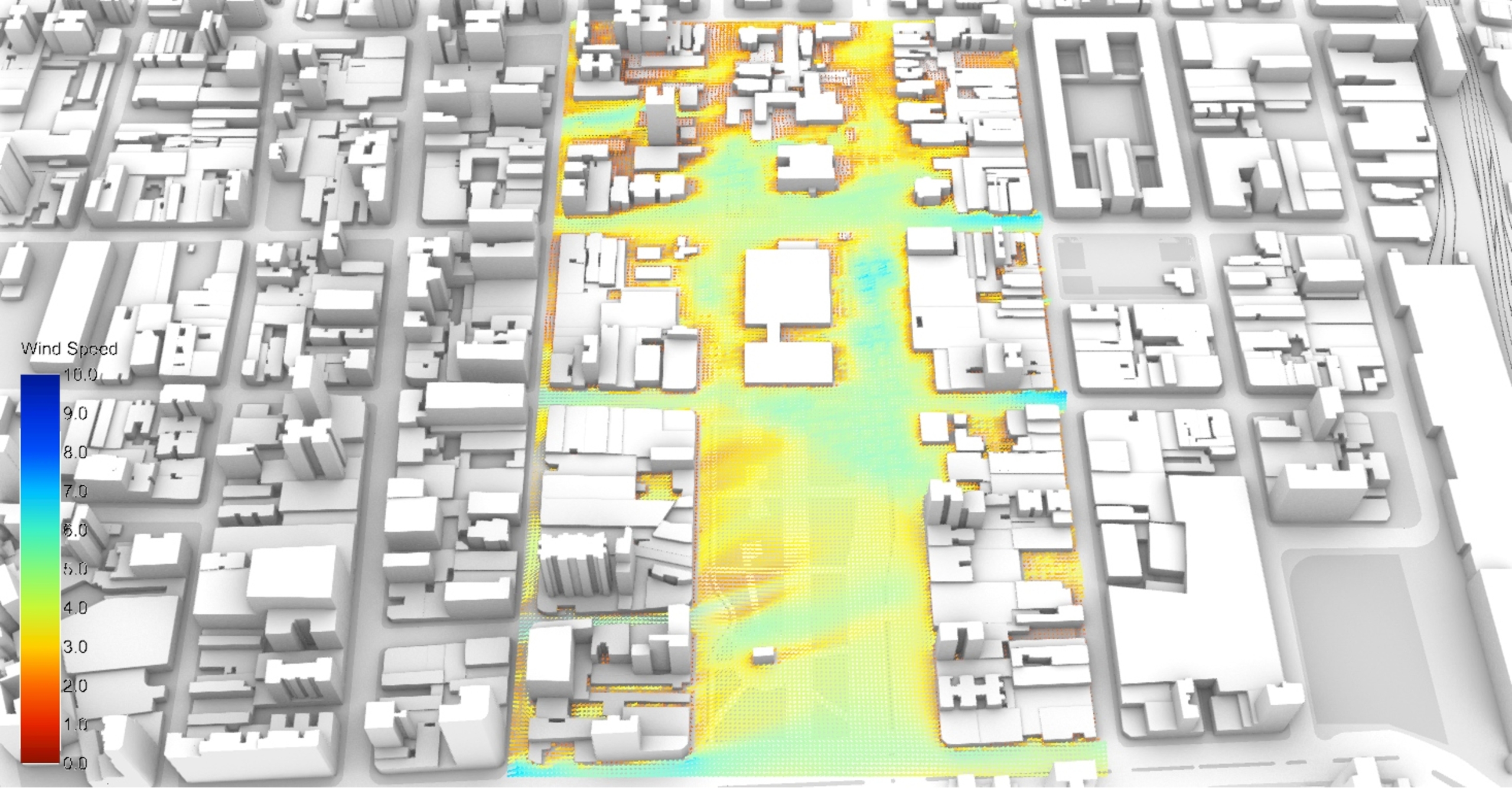
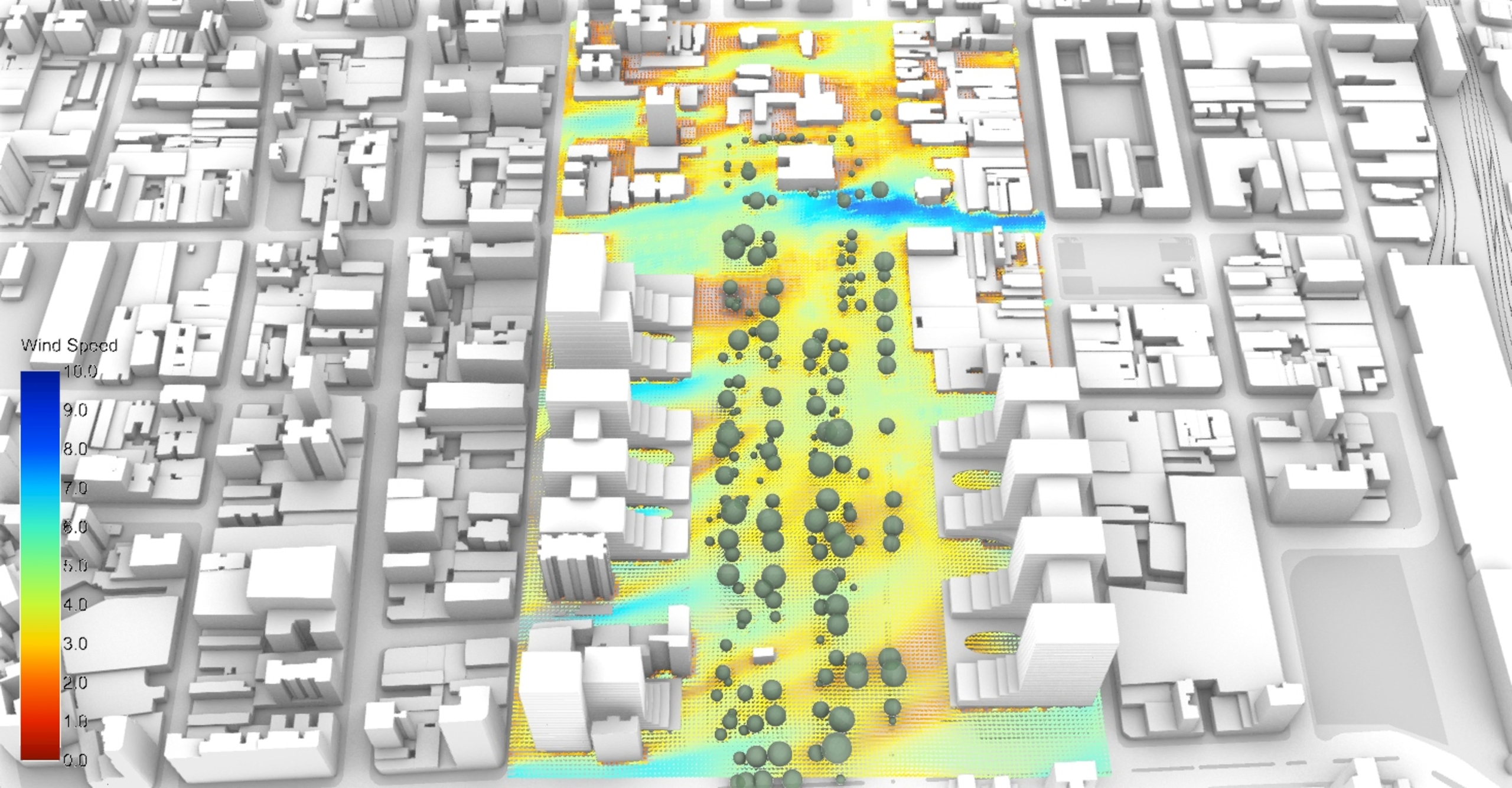
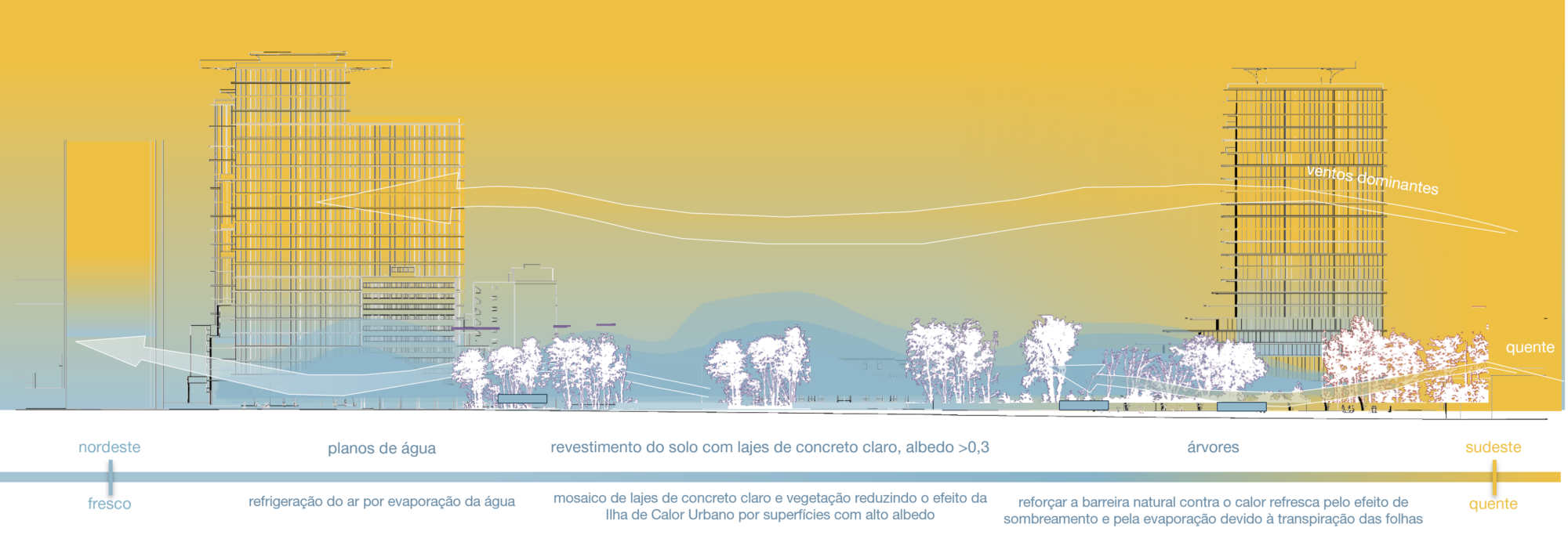
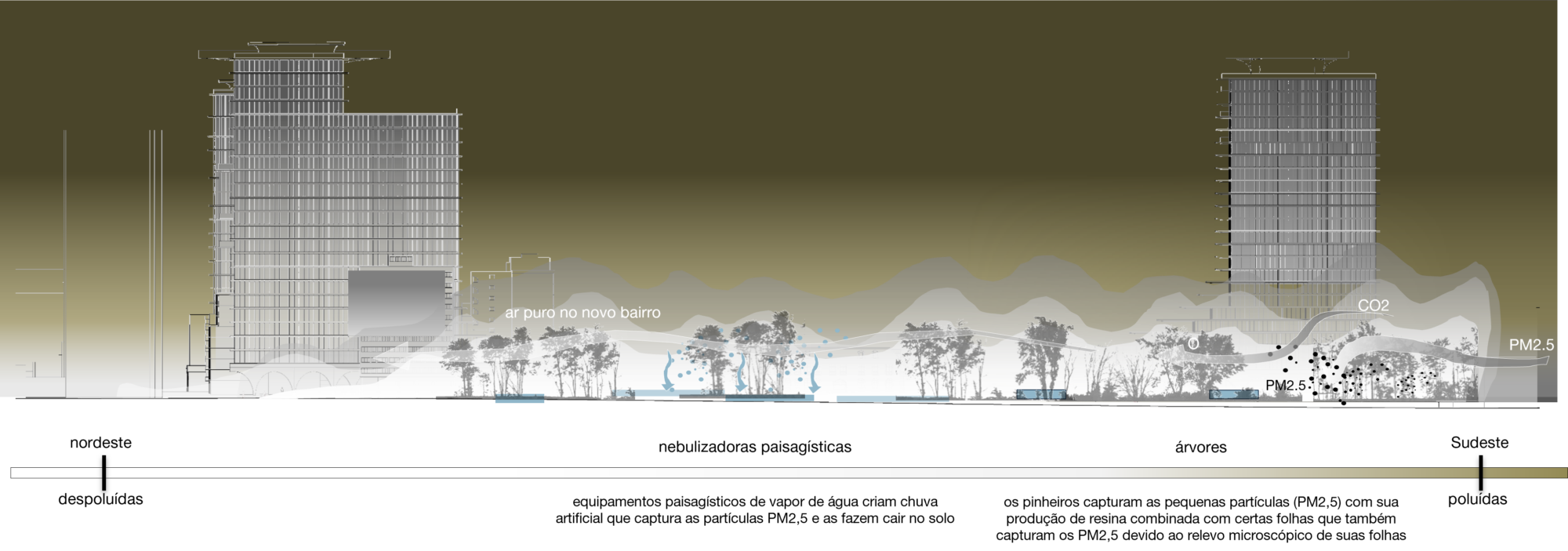
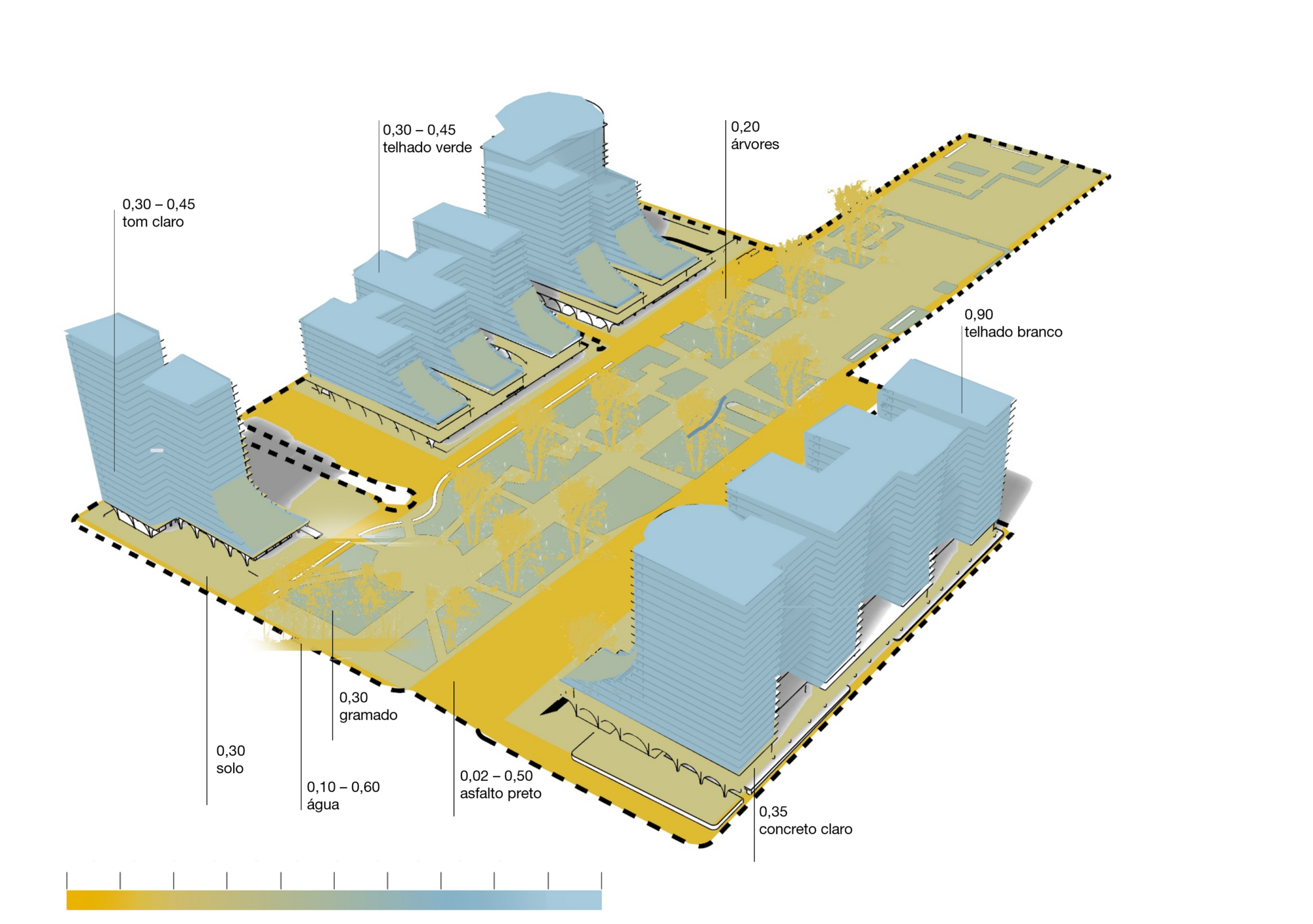
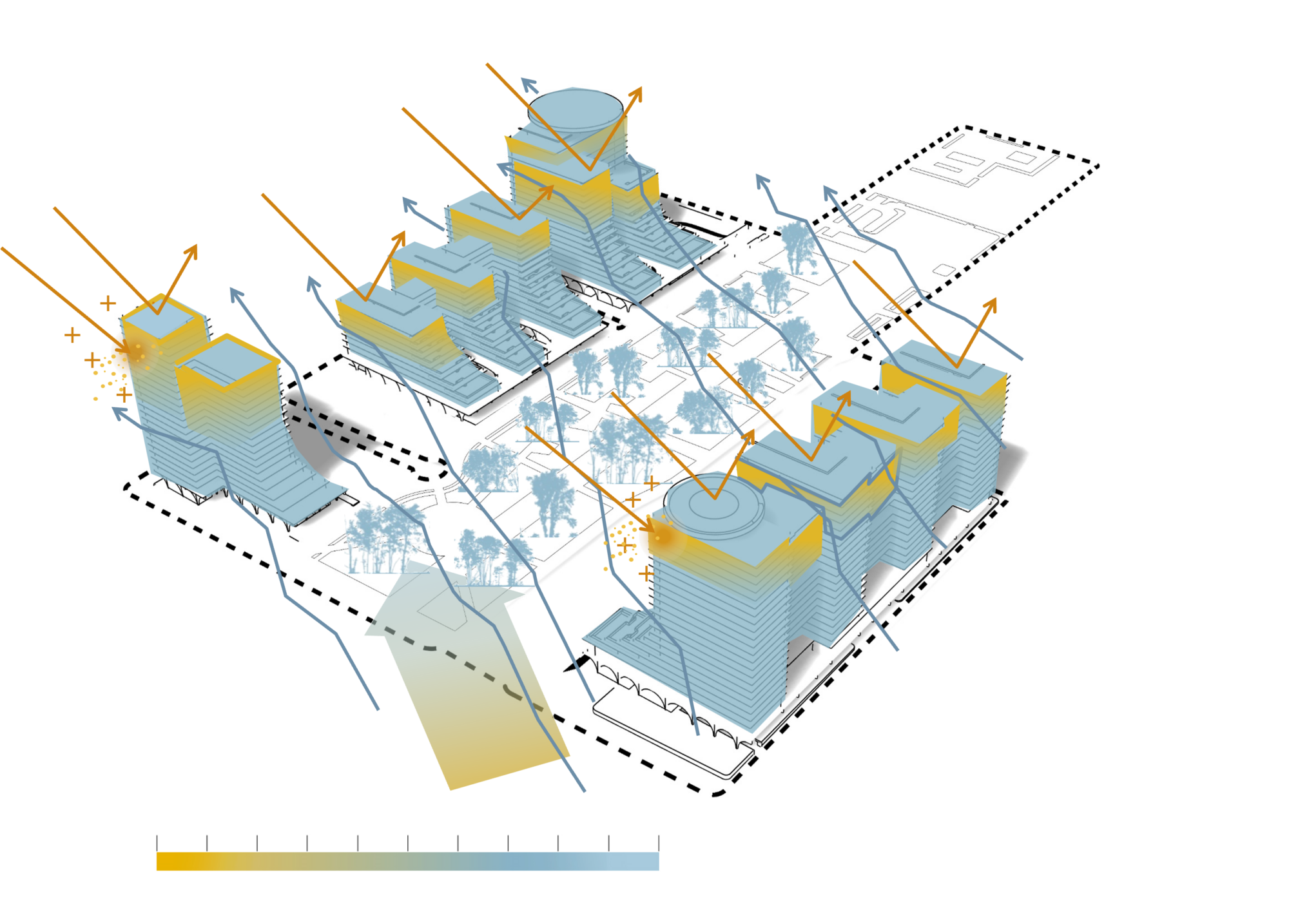
This project plunges São Paulo into a new era: one where architecture becomes a lever for resilience, far from being merely an obstacle. Stepped towers feature green terraces that promote biodiversity and enhance occupant well-being, while creating a dynamic microclimate. Dynamic facades, designed to respond to insolation conditions, reduce heat gains and maximize natural light. Moucharabieh screens and extended slabs improve thermal comfort and reduce energy consumption. The ground floor, with commercial spaces that promote ventilation, creates a vibrant urban interaction zone.
Mixed ventilation, combining natural and mechanical systems, paired with heat recovery air treatment, ensures optimal indoor comfort year-round. By cultivating greenery, managing water responsibly, and using passive systems, the center becomes the heart of a city that breathes, transforming the brutality of concrete into a living ecosystem capable of absorbing heat, controlling floods, and encouraging biodiversity. The city, long weakened by excess, is reborn as a vital space connected to its ecological and climate challenges.
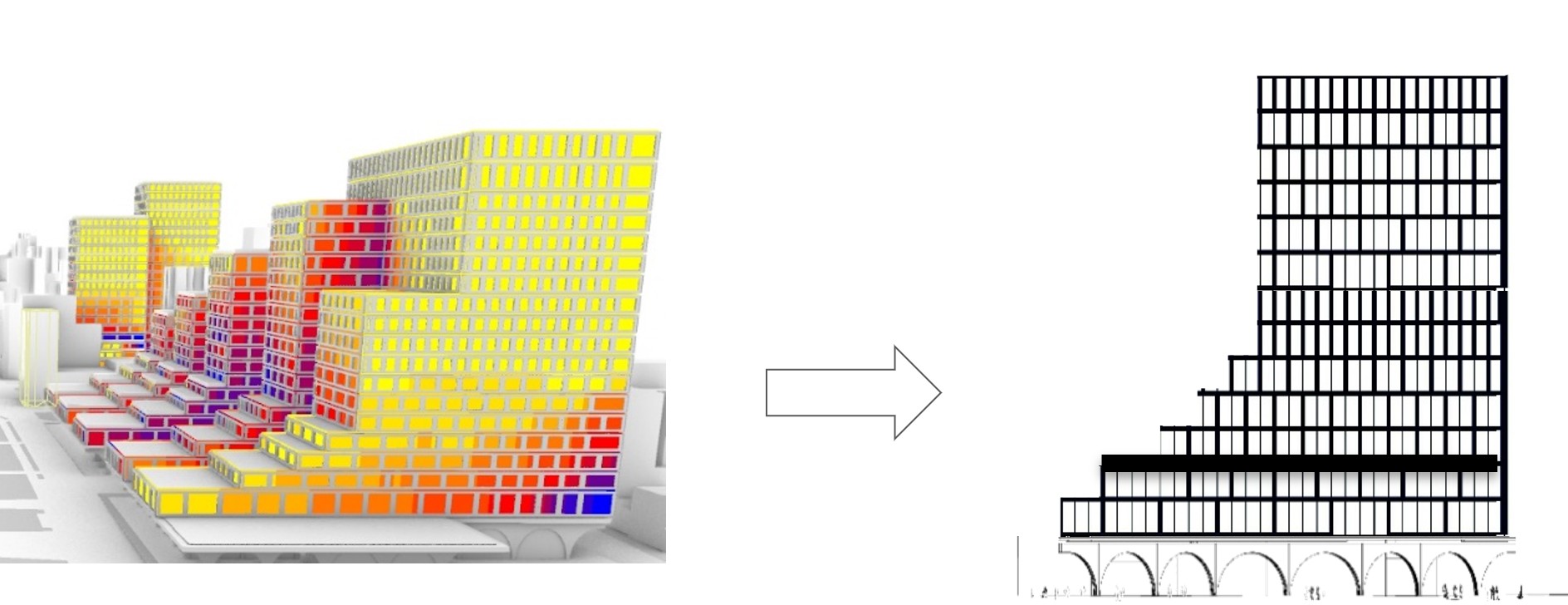
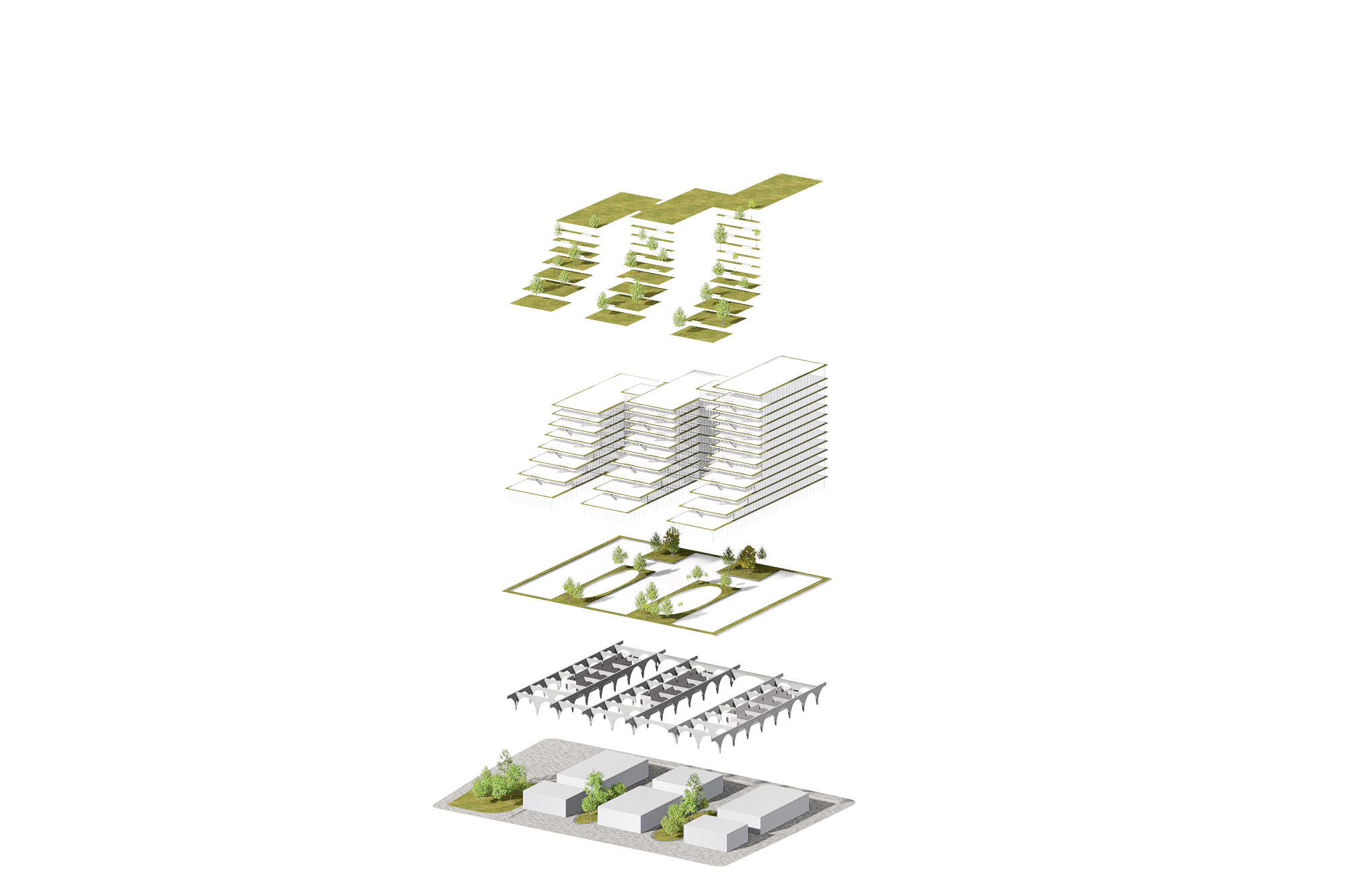
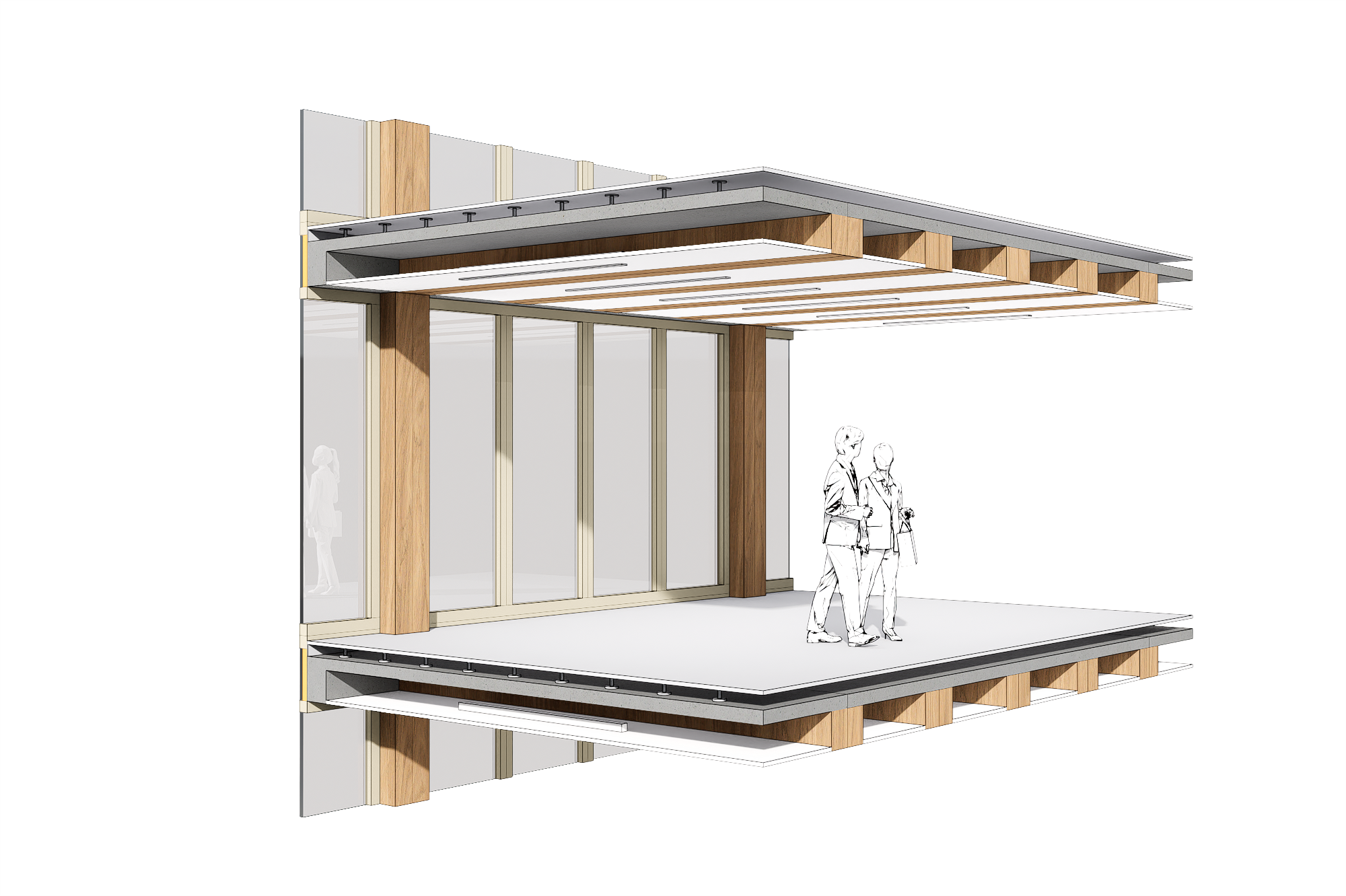
The 1.25-meter modular structure organizes workspaces favoring natural light. The CREE system, combining glued-laminated wood and pre-fabricated concrete, enhances construction efficiency while reducing environmental impact. The foundations, in concrete, span four underground levels, while upper floors are supported by glued-laminated wood columns and collaborative slabs. The lattice structure also offers an entirely concrete solution. External closures consist of glass windows with solar control and pre-fabricated concrete panels, ensuring optimal performance.
Inside, raised floors provide flexibility, and false ceilings between wooden beams facilitate ventilation and lighting.
Vegetated facades and passive management systems—such as green roofs and rainwater harvesting—create a self-sufficient, adaptable system that promotes passive cooling. By redefining the building’s relationship with its environment, this project becomes an experimental platform for architecture that learns to live with its climate—self-reconstituting in the face of perturbations. Sustainable strategies, including solar panels and water reuse, save energy and reduce CO₂ emissions by up to 80% compared to conventional projects. Finally, the proposal aims for LEED Platinum, WELL Platinum, Fitwel 3, and BREEAM Outstanding certifications, embodying innovative, regenerative, and resilient architecture for the city of the future.
| Location | São Paulo, BRA |
| Status | Lost Competition |
| Type | Competition |
| Size | 210,817 m² |
| Collaboration | JAA Architects, ITA Engenharia |
| Image Credits | Negativ, Fiction Studio, Provisual, Estudioucs |